The team's tips:
- Set aside enough time: Skye deserves at least two full days. We see too many travelers trying to cram everything into half a day and leaving frustrated.
- Fill up before reaching the island: Petrol stations are few and far between on Skye, and prices are higher. Fill up in Fort William or Kyle of Lochalsh.
- Single-track roads are the norm: Take your time, use the passing places, and never park in front of a field entrance.
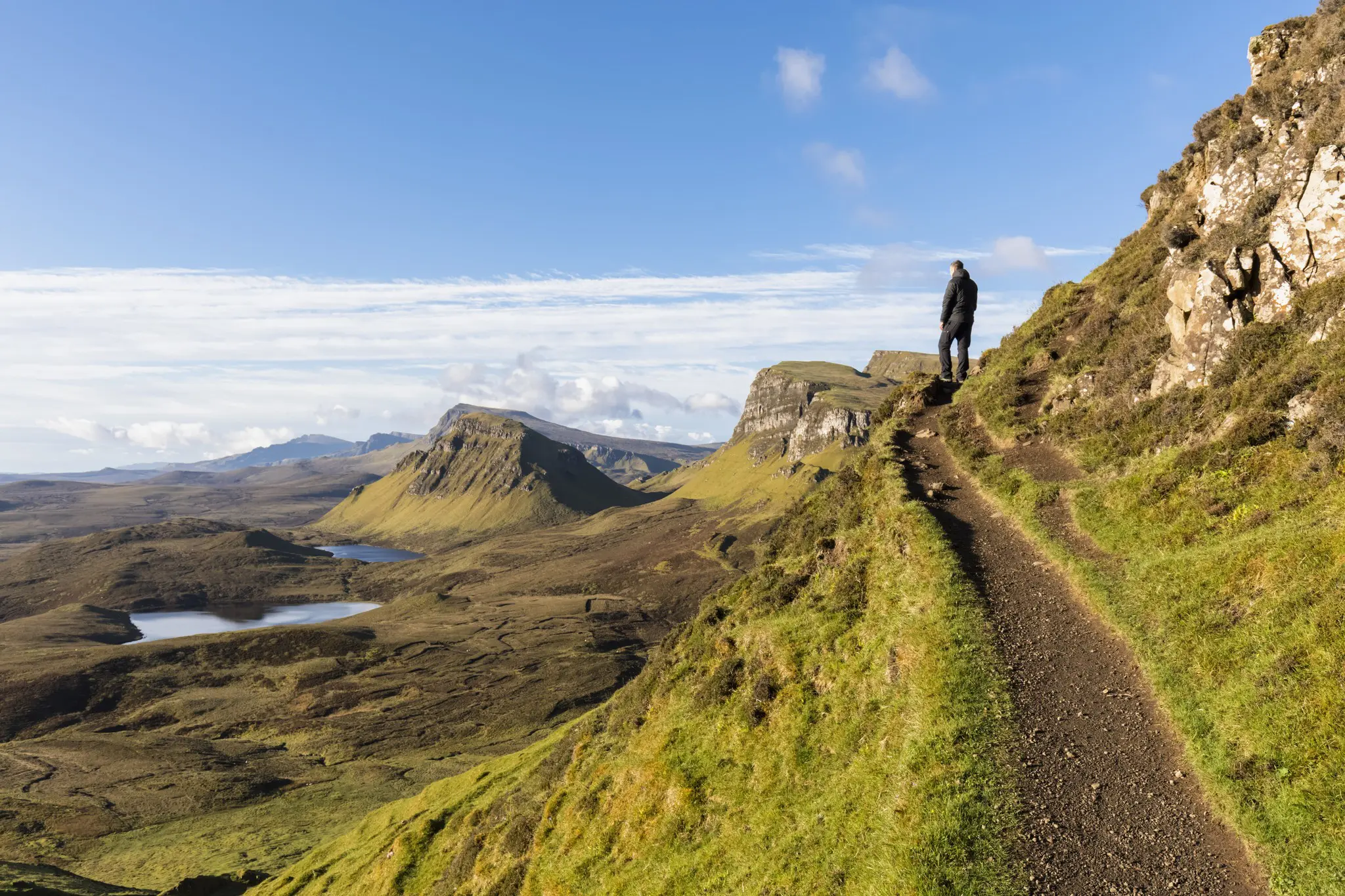
- Arrive early at popular spots: The Old Man of Storr and the Quiraing are packed from 10 a.m. in summer. Before 8 a.m., you’ll practically have the landscape to yourself.
- Bring cash (pounds, not water): Some small car parks and remote cafés don’t accept cards.
L’Isle of Skye: the complete guide to your road trip in Scotland
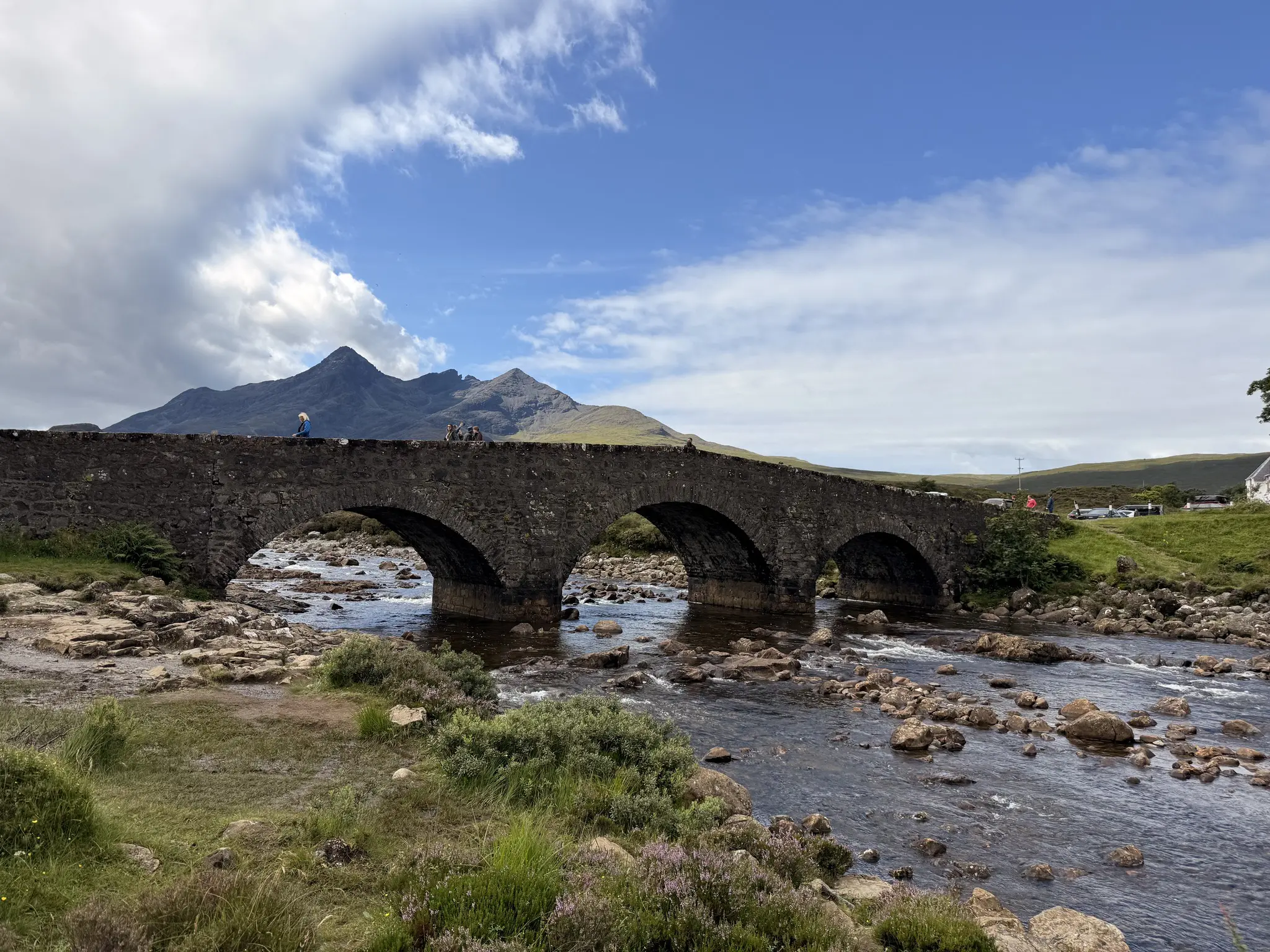
If one image had to sum up the wild side of Scotland, it would probably be a photo taken on the Isle of Skye. Rocky peaks, cliffs plunging into the sea, ruined castles and ever-changing light: it’s no coincidence that Skye has become one of the most photographed places in the UK.
But with the Old Man of Storr, the Quiraing and the Fairy Pools, it can be hard to know where to start. In this guide, we’ll take you on a tour of the Isle of Skye and cover everything you need to know before you go, whether you’re travelling solo or with Scotland Nomads.
Where is the Isle of Skye, and how do you get there?
Skye lies off the northwest coast of Scotland, in the Inner Hebrides. The good news is that since 1995, a free road bridge has connected Kyle of Lochalsh with the island at Kyleakin. There’s no need to book a ferry to drive onto the island.
From Inverness, the drive takes around 2.5 hours. From Fort William, it’s about 1 hour 45 minutes. Both routes wind through spectacular scenery, so allow plenty of time. You’ll be stopping to take photos far more often than expected.
If you prefer a more scenic crossing, there are also two ferries: Mallaig to Armadale in the south (around 45 minutes, with reservations recommended in summer), and Uig to Tarbert or Lochmaddy for the Outer Hebrides, if you want to venture even farther.
The must-see sights on the Isle of Skye
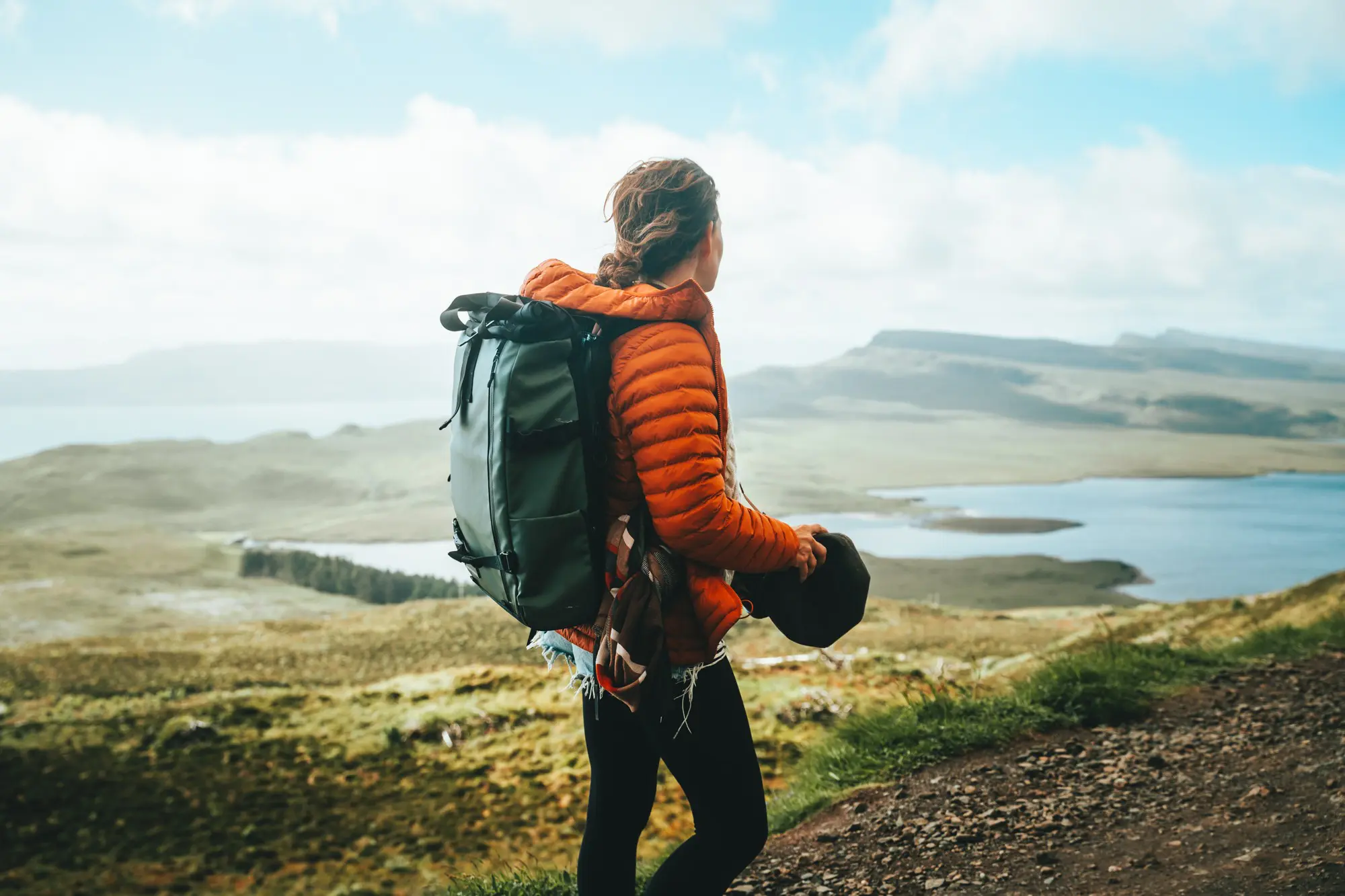
The Old Man of Storr
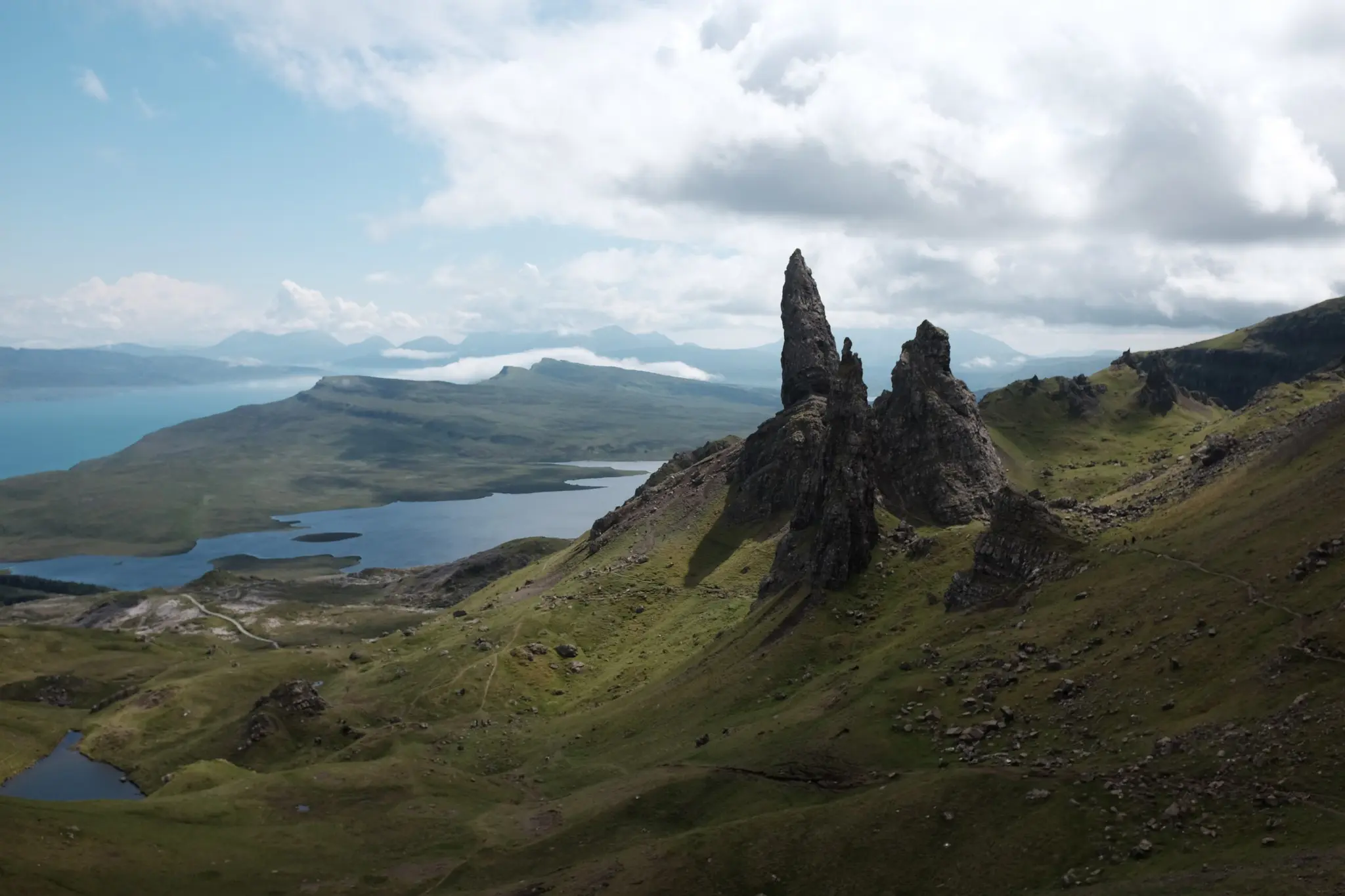
This spectacular rocky pinnacle, visible from miles away, is probably Skye’s most iconic landmark. The hike to the base of the pinnacle takes around 1.5 hours there and back, with a moderate but noticeable elevation gain.
The Quiraing
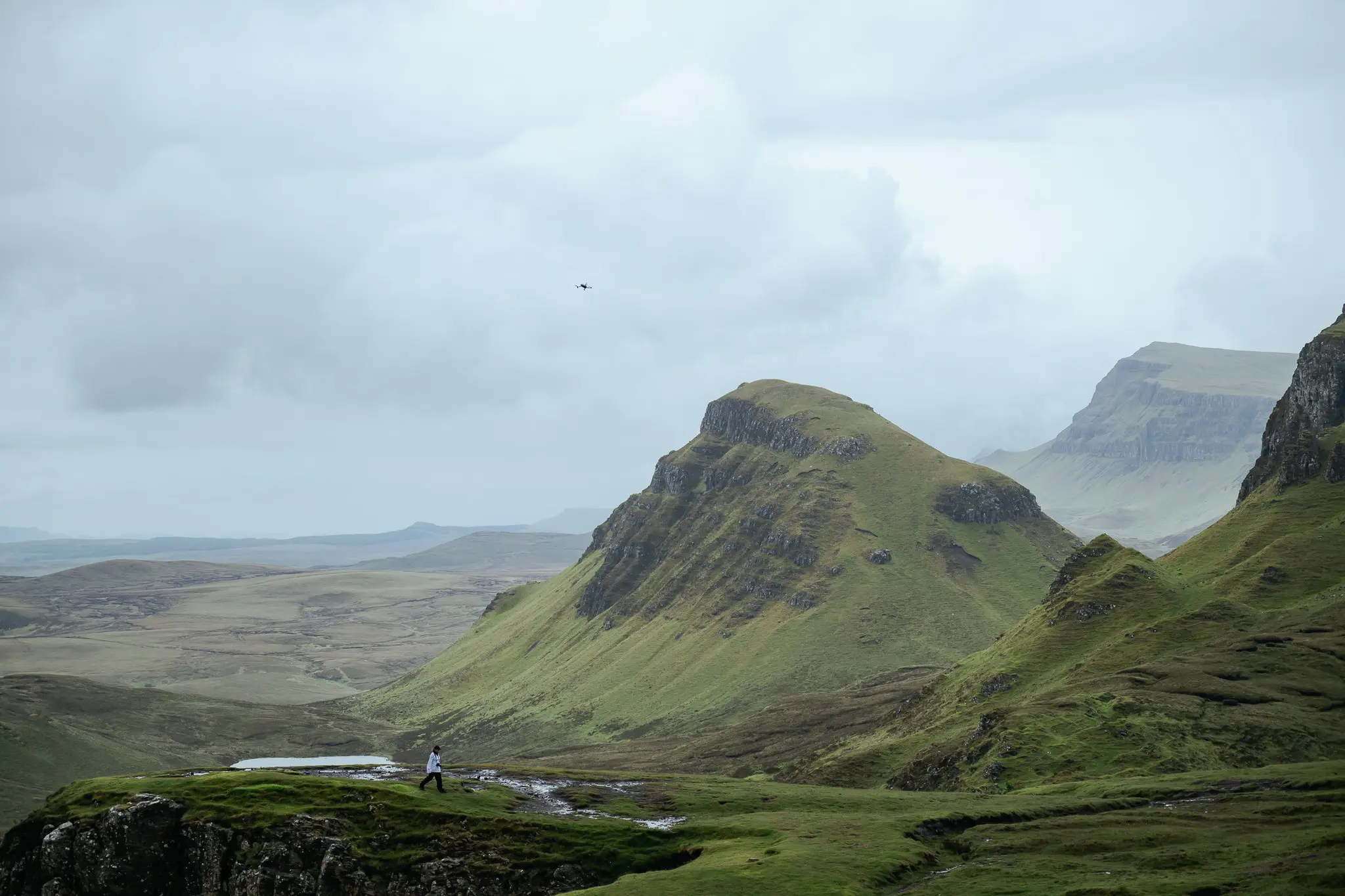
An almost otherworldly landscape of collapsed plateaus and pinnacles, formed by a massive landslide. The full loop takes around 3 hours, but even the first 30 minutes offer incredible views.
The Fairy Pools
Crystal-clear turquoise pools tucked beneath the Black Cuillins. The walk is short and family-friendly, taking around 1 hour there and back, but it gets very busy. Come early or later in the day.
Neist Point
The westernmost point of Skye, with its lighthouse perched on a steep cliff overlooking the Atlantic. It’s the best spot on the island for sunset.
Dunvegan Castle
Scotland’s oldest continuously inhabited castle and the seat of Clan MacLeod for 800 years. Its gardens are well worth a visit, even if you don’t go inside.
Portree: Skye’s colorful heart
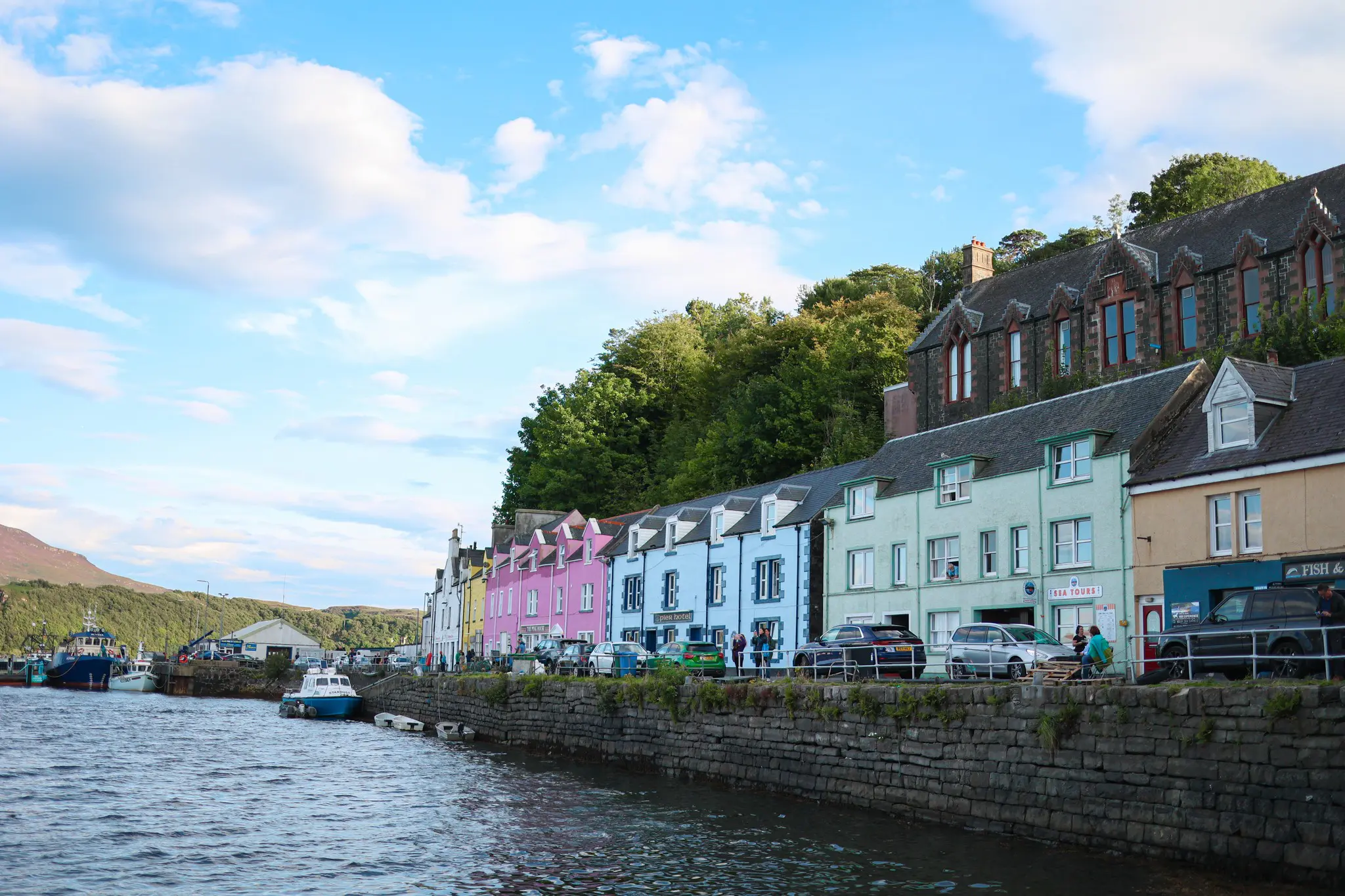
Portree is the island’s capital, and its small harbour lined with colourful houses is one of Scotland’s best-known postcard scenes. It’s also the best base for exploring the rest of Skye, with a supermarket (Co-op), pharmacy, restaurants and pubs.
For a simple, hearty meal after a day of hiking, head to one of the harbour’s fish and chip shops and enjoy the view of the fishing boats. If you have a little time, the short walk up to The Lump, the hill just above the harbour, offers a perfect panoramic view of the bay.
When should you visit the Isle of Skye?
As with the rest of Scotland, May to September is the best time to visit: long days, milder weather and all roads open.
That said, Skye is a victim of its own success. In July and August, the car parks at the Old Man of Storr and the Quiraing fill up from early morning, while the single-track roads can get a little congested during peak hours. May, June and September offer a much better balance between weather and crowds.
And of course, keep your midge repellent close at hand: on an island surrounded by water and peat bogs, midges are right at home.
Practical tips for visiting the Isle of Skye
Roads
Much of Skye is made up of single-track roads, with passing places where vehicles can pull over to let each other through. Take it slow, and never park in a passing place. Other vehicles need to be able to stop there.
Parking
Most car parks at popular sites, including the Old Man of Storr, the Quiraing and the Fairy Pools, charge a fee, usually payable via an app or a machine on site. Keep a few pounds in cash just in case.
Fuel
You can count the island's petrol stations on one hand, with most of them in Portree, Broadford and Dunvegan. Never set off with less than a quarter of a tank.
Mobile coverage
It’s very patchy outside Portree. Download your maps for offline use before setting off to explore the Trotternish or Waternish peninsulas.
Skye with Scotland Nomads
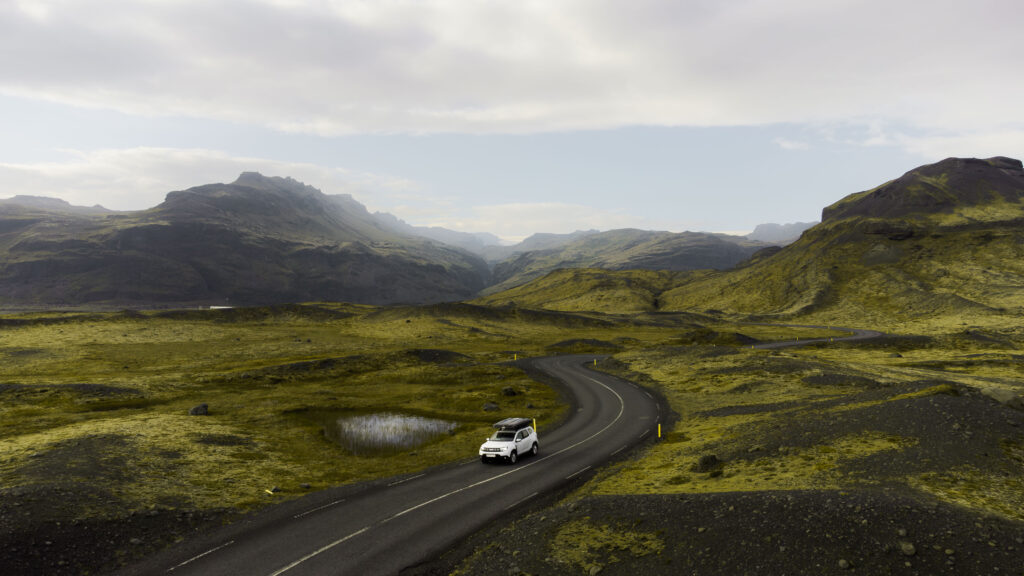
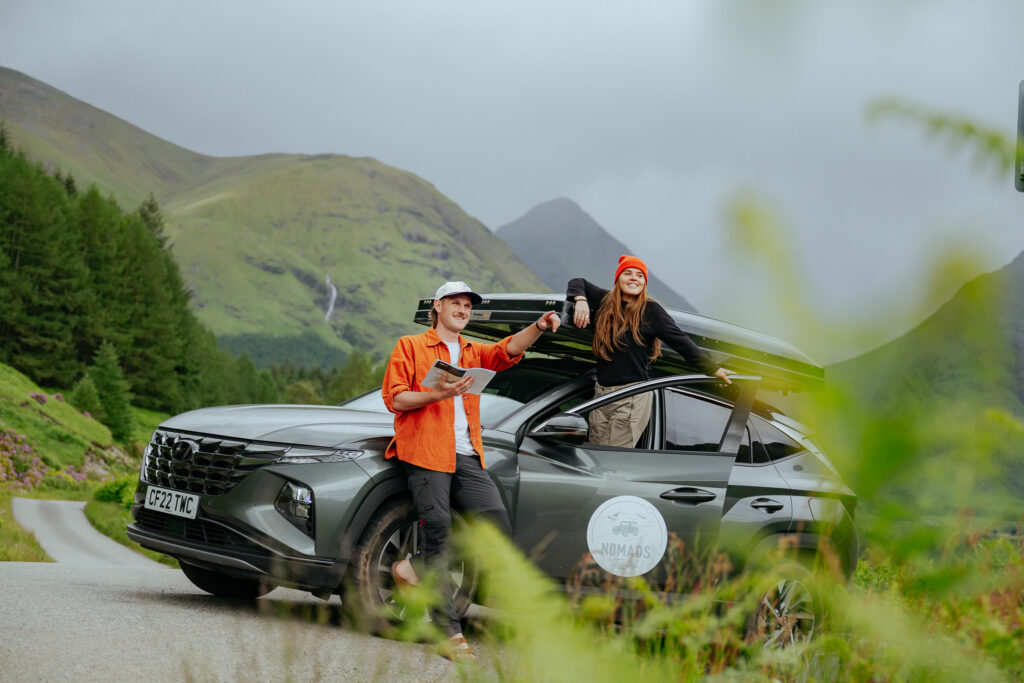
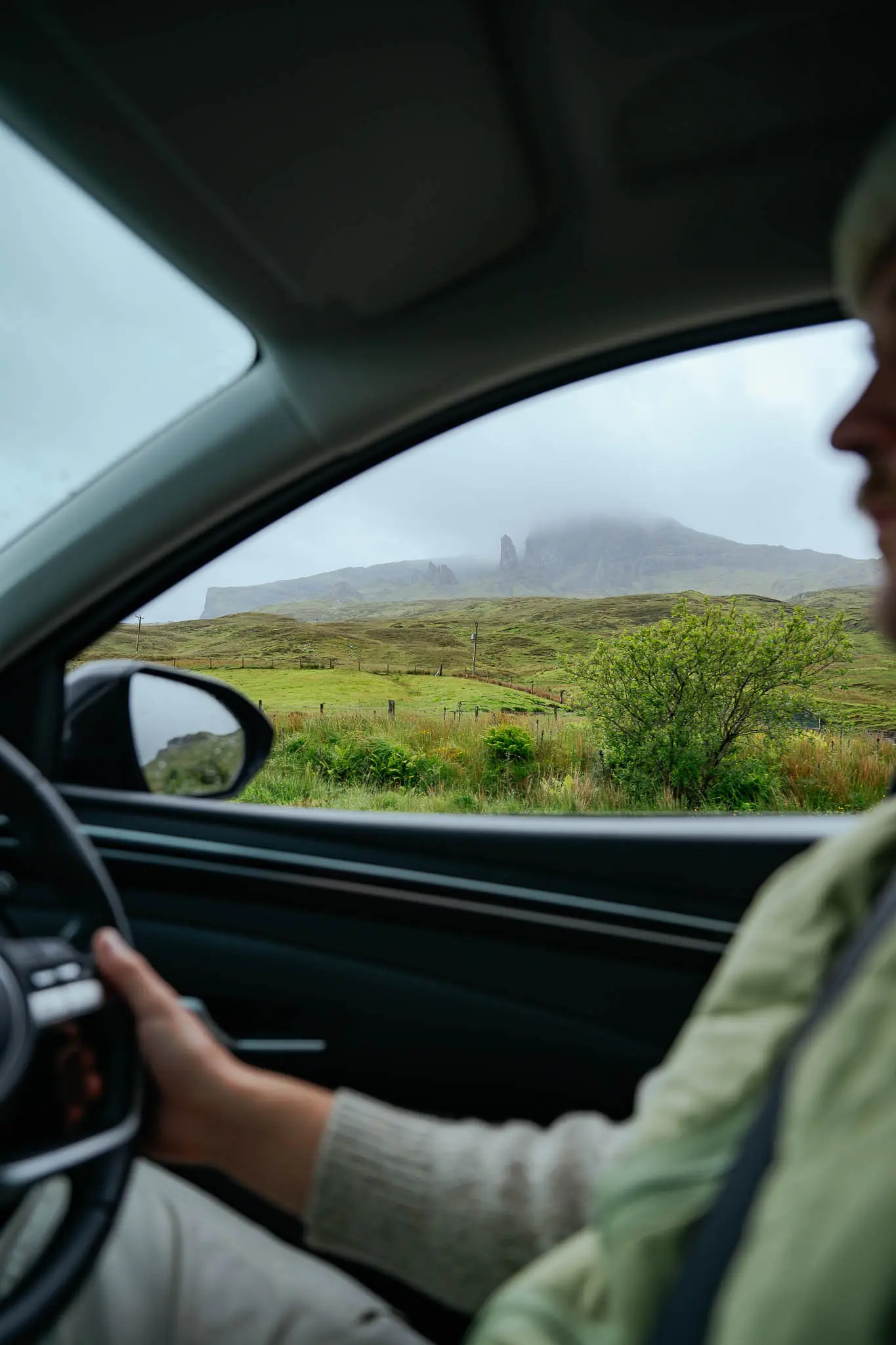
Skye is one of the three main stops on our 7-day road trip, between Loch Lomond and the Cairngorms. With Scotland Nomads, you’ll drive an SUV equipped with a rooftop tent, with your campsites already booked along the island, a detailed roadbook to make sure you don’t miss a thing, and a downloadable interactive map for areas without mobile coverage.
There’s no need to hunt for parking or wonder where to pitch your tent for the night: your spot is already arranged, often with a view that could rival anything on a postcard.