The team's tips:
- Make Urquhart Castle your priority: It offers the best view of the loch and is by far the most photogenic spot.
- Don’t expect to see Nessie: But come anyway to enjoy one of Scotland’s most mysterious landscapes.
- Get to Urquhart Castle early: It’s one of Scotland’s most visited sites, and the car park fills up quickly in summer.
- The cruise is worth it: Seeing the castle from the water, with the onboard sonar scanning the depths, definitely adds to the atmosphere.
- Bring a jacket, even in summer: The wind blowing across the loch can quickly make things feel chilly, especially on a boat.
Loch Ness: Myth, Legend and Practical Tips for Your Visit
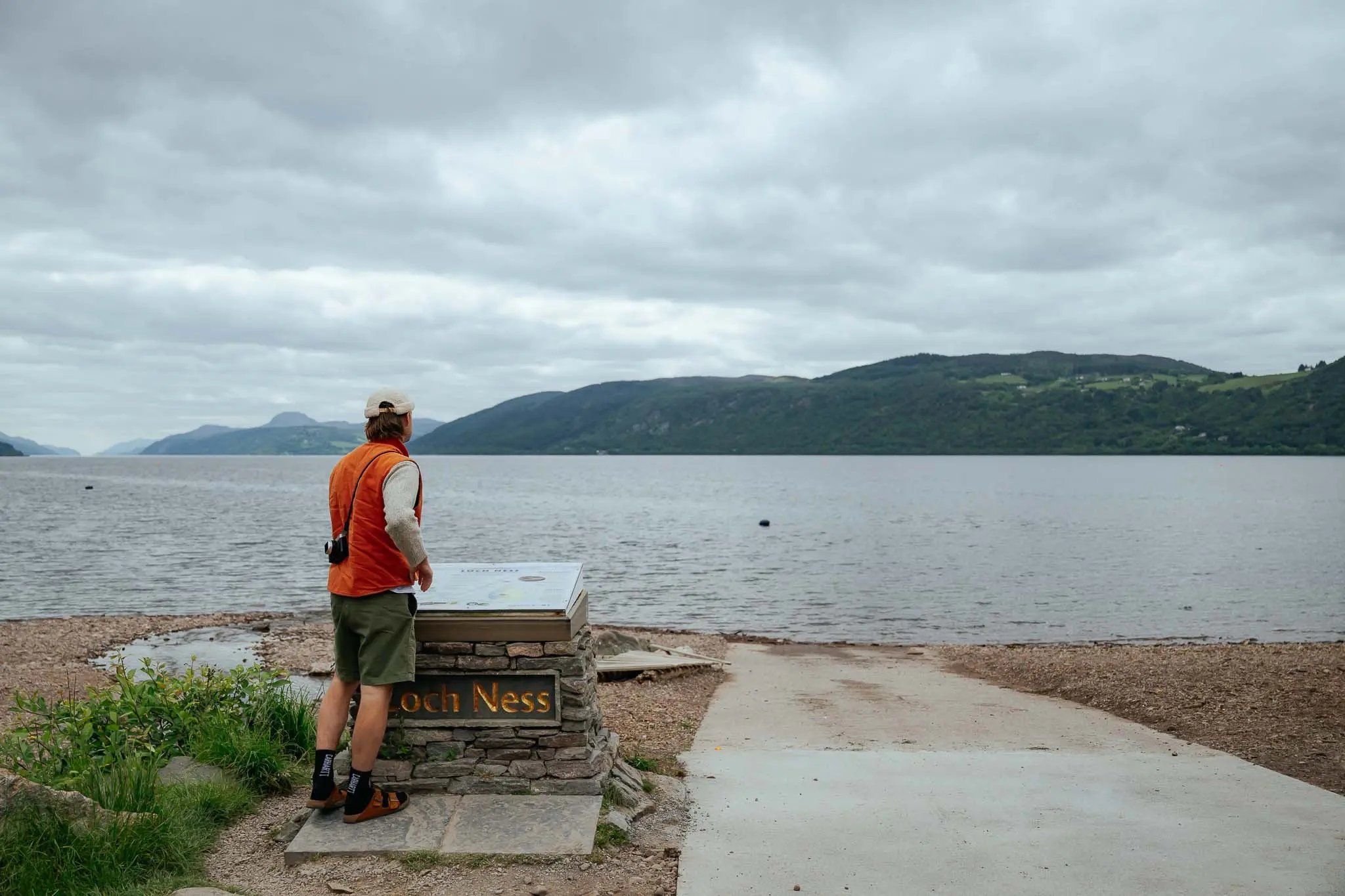
No lake in the world has captured the collective imagination quite like Loch Ness. Its dark, deep waters, nestled in the heart of the Highlands, have been home to the legend of the world’s most famous monster for decades: Nessie.
Monster or not, Loch Ness remains one of Scotland’s most visited destinations, and for good reason: striking scenery, a ruined castle on its shores, and a history spanning centuries. Here’s everything you need to know before your visit.
Loch Ness in a Few Facts
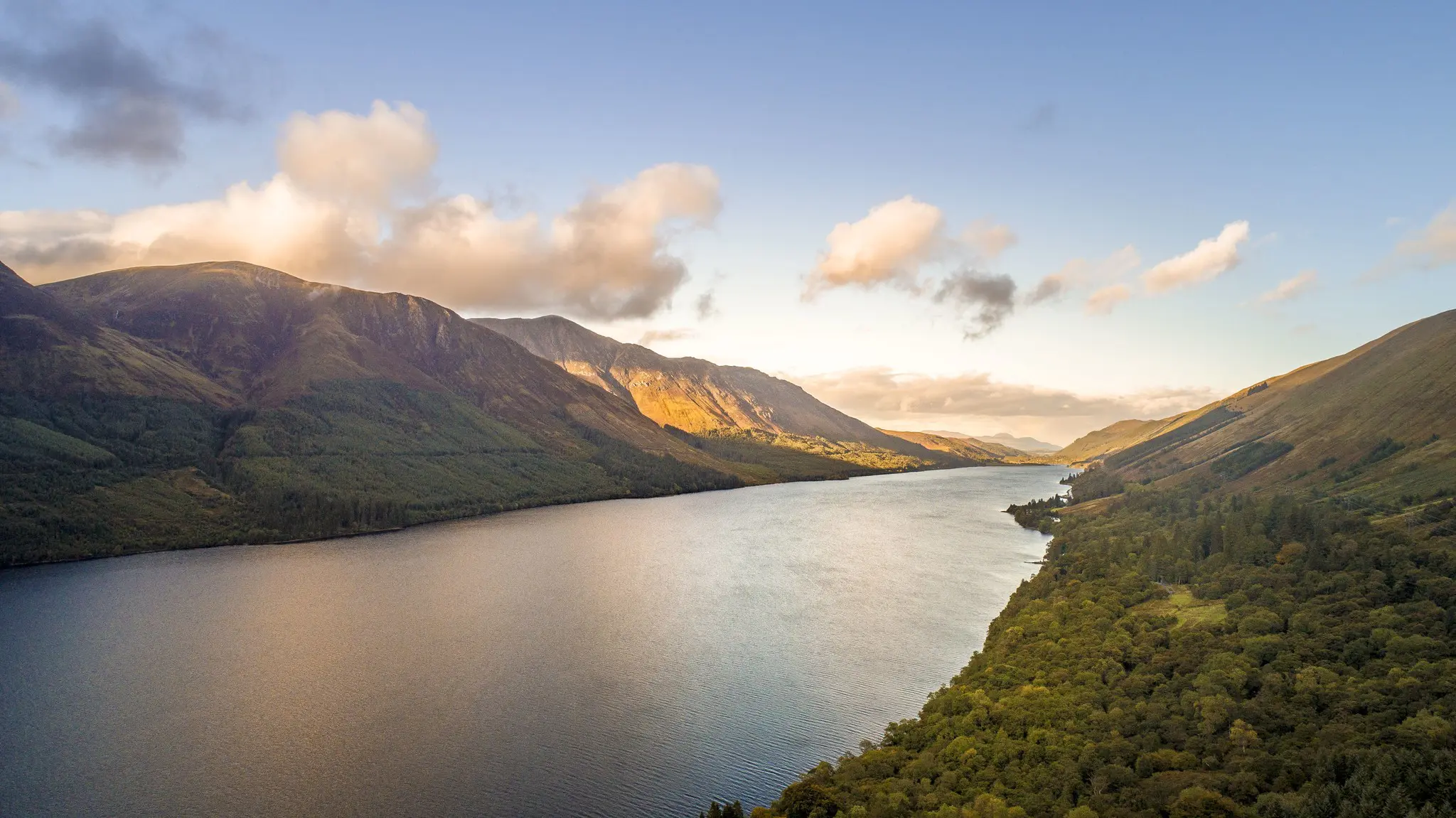
Loch Ness stretches for approximately 37 km, with a maximum depth of around 230 metres, making it one of the deepest lakes in Europe. Its volume is so great that it is said to contain more fresh water than all the lakes in England and Wales combined.
It stretches from Inverness in the northeast to Fort Augustus in the southwest, along the Great Glen geological fault. Its waters are so dark and peat-stained that visibility rarely extends beyond a few metres. That is partly what keeps the mystery alive: it is hard to categorically rule out the presence of a creature when you cannot see more than a metre ahead.
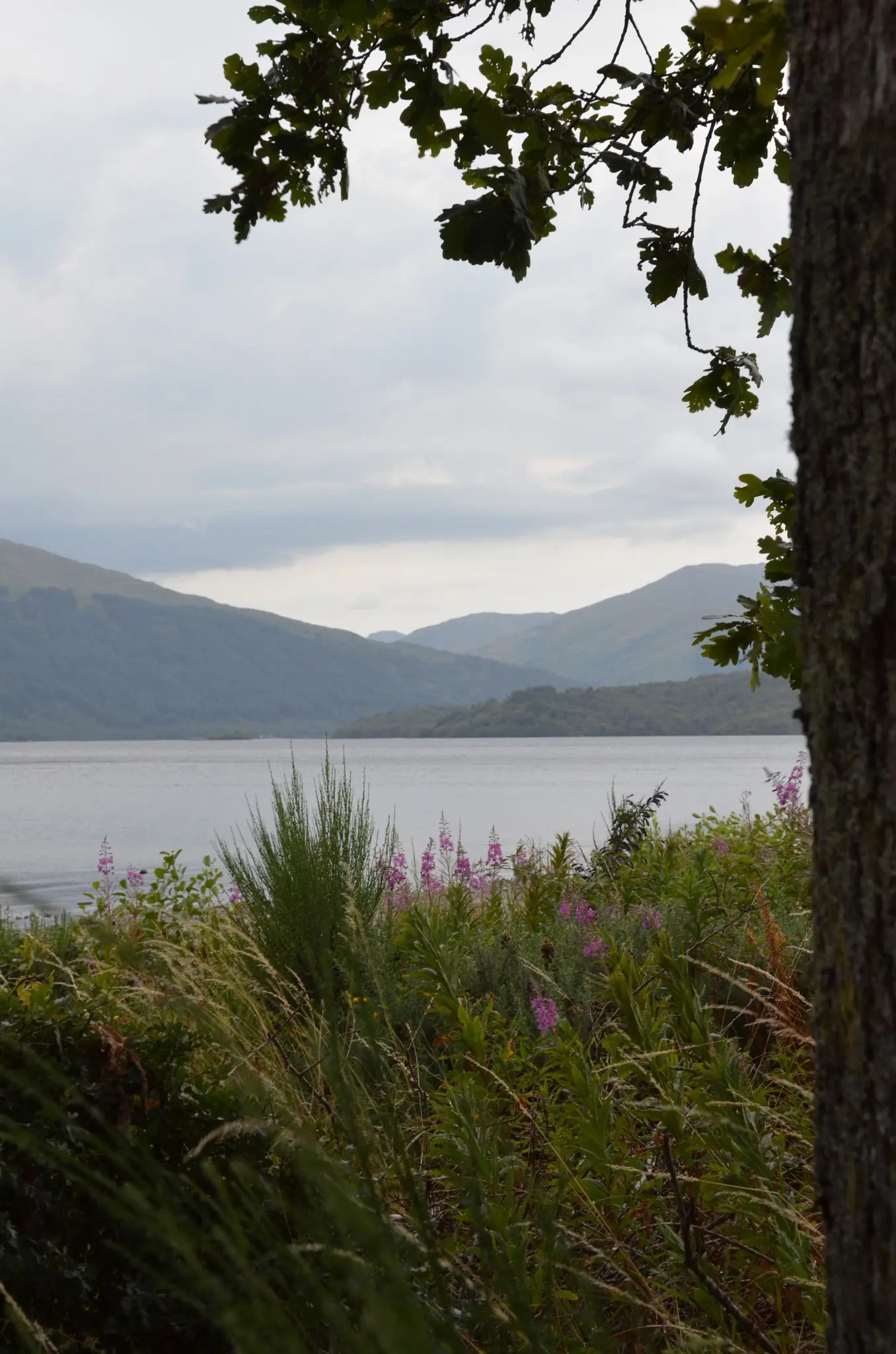
The Legend of Nessie: Where Did the Myth Come From?
A 1,500-year-old legend
The earliest known mention of a creature in Loch Ness dates back to AD 565, in a text recounting the life of Saint Columba, an Irish monk who evangelized Scotland. According to the story, Columba ordered a water creature in the River Ness to retreat, and it obeyed.
The birth of the modern myth
The Nessie we know today actually dates back to 1933. That year, a new road was built along the loch’s northern shore, offering the first clear view of the water. A couple, the Spicers, reported seeing a large creature cross the road in front of their car before disappearing into the loch. The Inverness Courier published their account, marking the beginning of a worldwide media frenzy.
The famous “surgeon’s photograph”
In April 1934, the Daily Mail published a photograph showing what appeared to be a head and long neck emerging from the water. It was attributed to a London surgeon who wished to remain anonymous. The image went around the world and became Nessie’s most iconic depiction, until it was exposed as a hoax in 1994. One of the conspirators admitted to photographing a toy submarine fitted with a fake wooden head.
What happened next?
More than 1,000 “sightings” have been recorded since 1933. Several scientific expeditions using sonar and underwater exploration have been carried out, but none has produced conclusive results. The legend, however, has never faded.
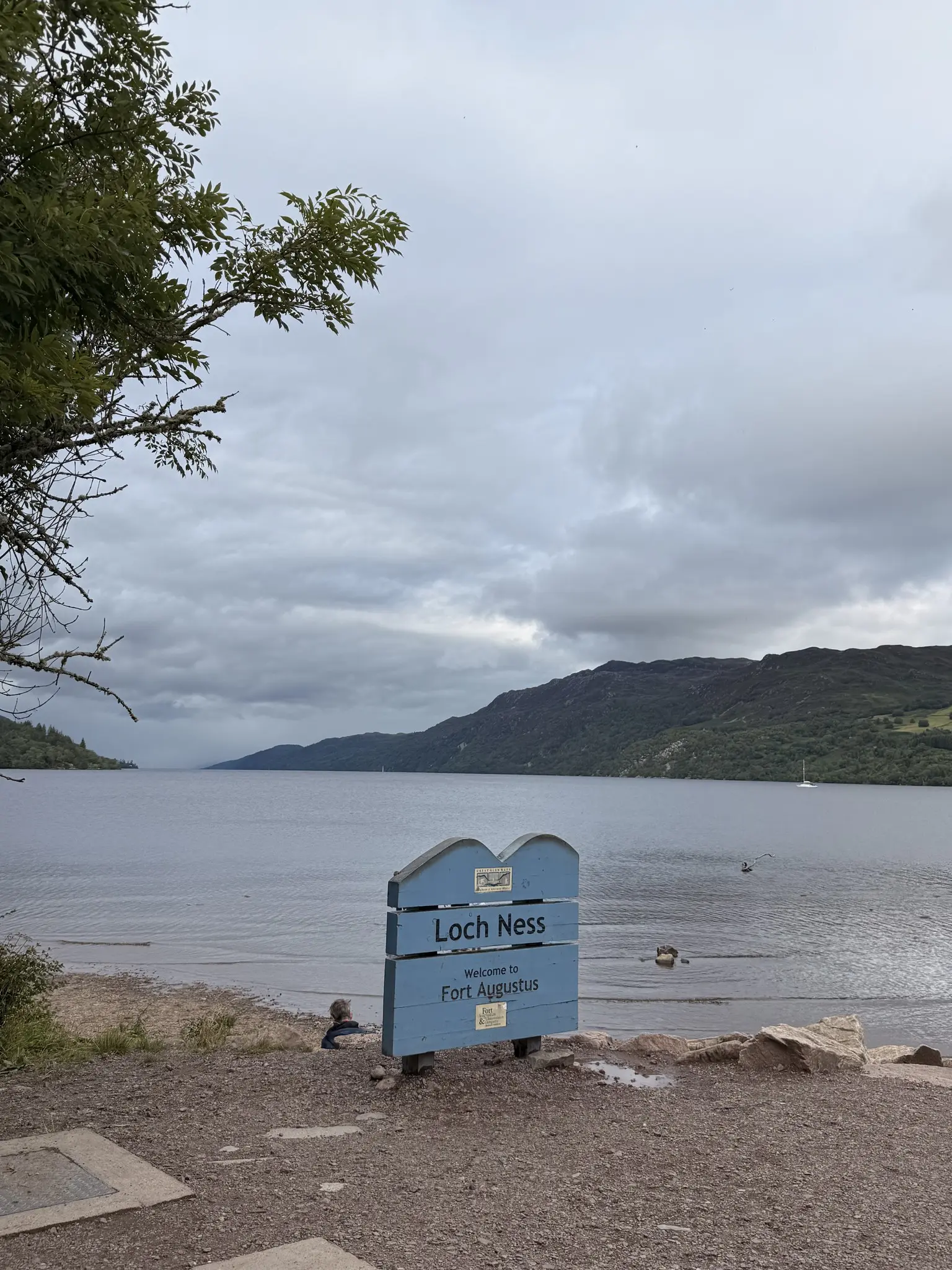
Must-see spots around Loch Ness
Urquhart Castle
The ruins of this medieval castle, perched on a promontory on the loch’s shore, offer the best views in the area. It’s also one of Scotland’s most photographed sites, so it’s hard to leave without a photo of the castle with the loch in the background.
Drumnadrochit and the Loch Ness Centre
This small village, considered the monster’s unofficial “capital,” is home to the Loch Ness Centre, a museum that traces the entire history of the legend, from the earliest sightings to the latest scientific expeditions.
Fort Augustus
At the southern tip of the loch, this charming village is crossed by a series of locks on the Caledonian Canal. It’s a pleasant starting point for a cruise on the loch.
A cruise on the loch
Several companies offer cruises lasting around an hour, often equipped with sonar that scans the depths in real time. It’s a fun way to see Urquhart Castle from a different angle and keep an eye on the screen… just in case.
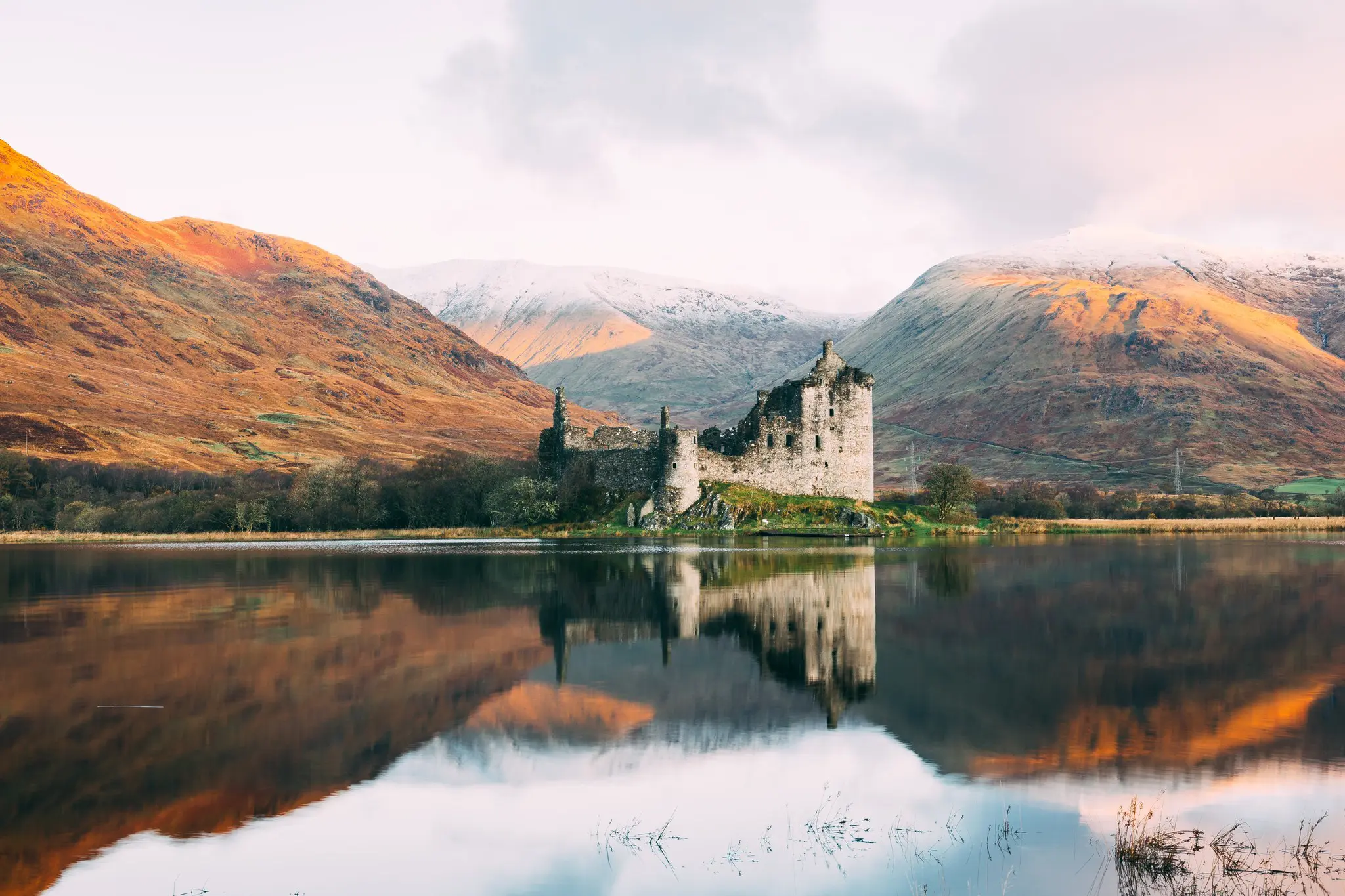
How to get to Loch Ness?
The loch lies just southwest of Inverness, the capital of the Highlands. It takes around 20 minutes to reach Drumnadrochit and Urquhart Castle by car.
From Fort William, allow around an hour’s drive via the A82. The road follows much of the loch and offers some great views from the car along the way.
The loch lies along the route crossing the Great Glen from west to east, making it an easy detour to add if your itinerary takes you through Inverness or Fort William.
Practical Tips for Visiting Loch Ness
Parking
Parking at Urquhart Castle is paid and fills up quickly during peak season. Arrive before 10 a.m. in summer to avoid the crowds.
Admission
Entry to Urquhart Castle is paid (the site is managed by Historic Environment Scotland). Booking online in advance can often help you avoid the queue.
When to visit
As with the rest of Scotland, May to September offers the best conditions. Early in the morning or later in the day, the light on the water is particularly beautiful, and the site is noticeably quieter.
How long to spend there
Allow 1.5 to 2 hours to visit the castle and take in the views. Add another hour if you plan to take a cruise on the loch.
Loch Ness with Scotland Nomads
Our 7-day road trip takes you from Loch Lomond to the Isle of Skye, via Glenfinnan, Reraig and the Cairngorms, without passing directly by Loch Ness. But if the legend of Nessie is calling you, there’s nothing stopping you from adding a day before or after your road trip to explore the Inverness area. The SUV and rooftop tent are yours to use, and the Highlands have plenty of room for one extra night.
The most important thing is travelling at your own pace, with the freedom to stop wherever you like. That’s exactly what Scotland Nomads offers.