
The team's tips:
- Inverness is a perfect base: Settle in for 1-2 nights and explore the area without having to unpack your bags every night.
- Book Loch Ness in advance: Cruises and Urquhart Castle get fully booked during peak season.
- Plan some time at Culloden: It's much more than just a battlefield. The visitor center is fascinating.
- Combine several sites: Culloden + Cawdor Castle + Loch Ness make for a perfect day trip from Inverness.
- Trust our experts: With Scotland Nomads, we've optimized the itinerary to explore Inverness and the Highlands.
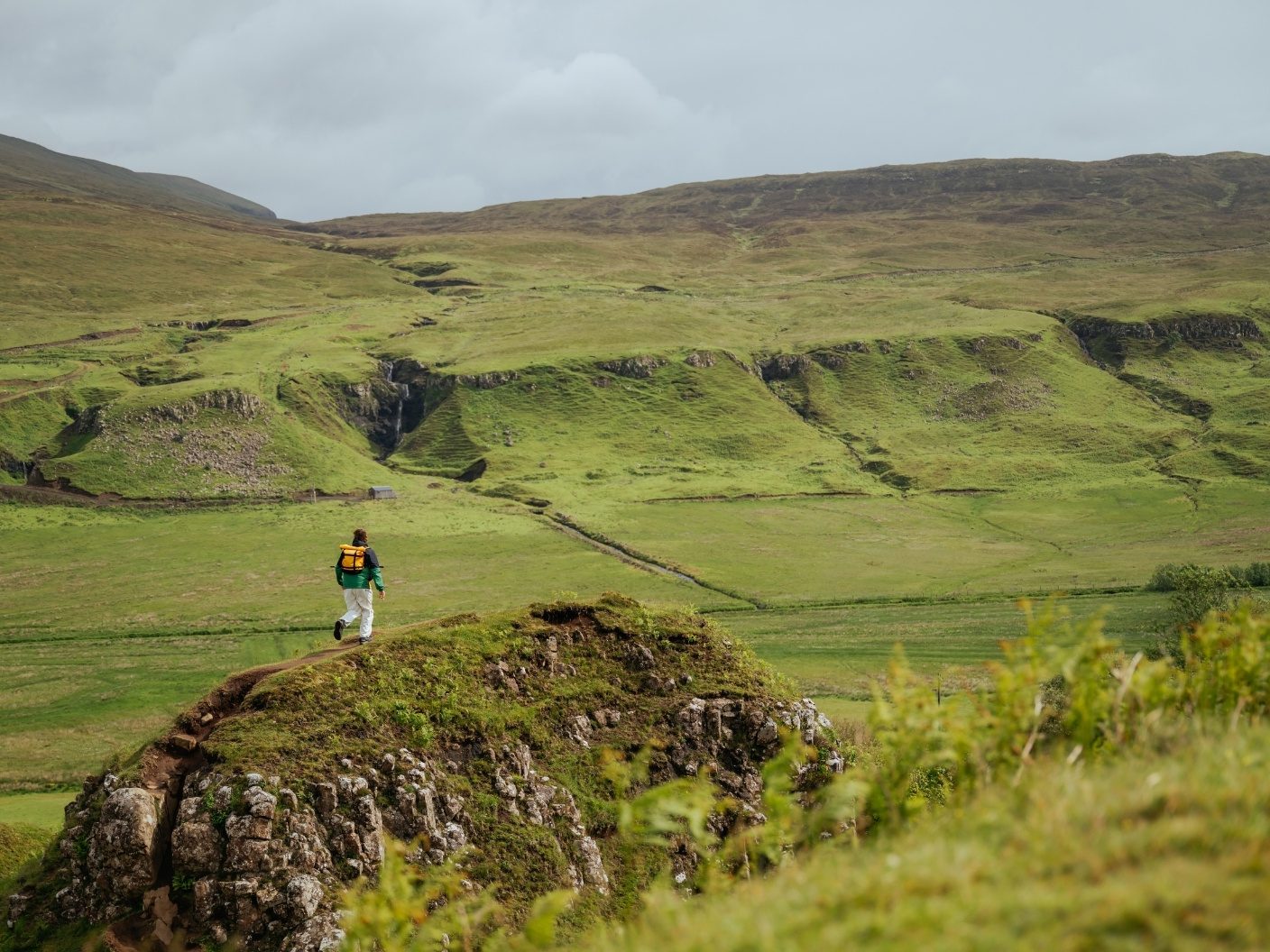
Top 8 things to do around Inverness in Scotland
Inverness, the capital of the Scottish Highlands, is not just a pretty town by the River Ness. It's also the perfect gateway to explore some of Scotland's most iconic sites. Just 30 minutes from Loch Ness, 15 minutes from a historic battlefield, and 1 hour from spectacular valleys… Inverness is the ideal base camp.
Wondering what to do around Inverness? Which sites are really worth a visit? How should you plan your days?
Here’s our top 8 must-do experiences around Inverness, all tried and tested during our road trip in the Highlands.
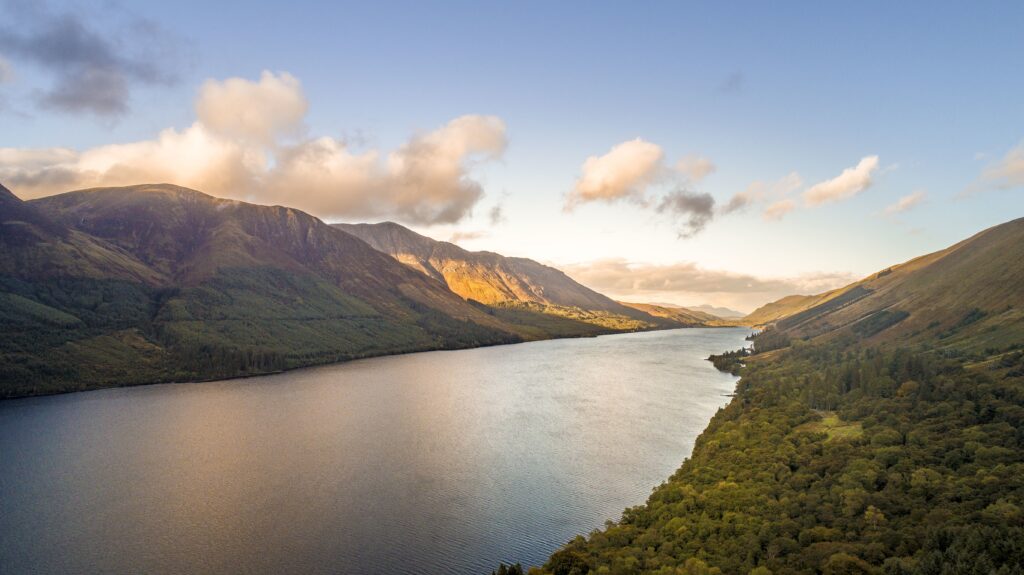
1. Loch Ness: on the hunt for Nessie
Distance from Inverness: 30 km (30 minutes)
You can't pass through Inverness without visiting Loch Ness. This legendary lake stretches 37 kilometers and is world-famous for its mysterious inhabitant: Nessie, the Loch Ness monster.
The legend dates back centuries, but it exploded in 1933 when a couple claimed to have seen a strange creature in the water. Since then, sightings (and blurry photos) have multiplied, fueling the mystery.
What to do at Loch Ness
- Walk along the shores: the road that borders the lake offers stunning views
- Urquhart Castle: spectacular medieval ruins by the lake, with breathtaking views
- Lake cruise: several companies offer 1-hour trips with sonar to “search for Nessie”
- Fort Augustus: charming village at the end of the lake with locks on the Caledonian Canal
Our practical tips
- Arrive early: Loch Ness is very touristy, the road can get congested
- Urquhart Castle: £13, book online to skip the queue
- Don’t expect the wild: it’s a major tourist attraction
- Combine with Fort Augustus: nice lunch by the locks
Loch Ness today is primarily a tourist attraction. Whether Nessie exists or not, the lake is worth a visit for its scenery and history.
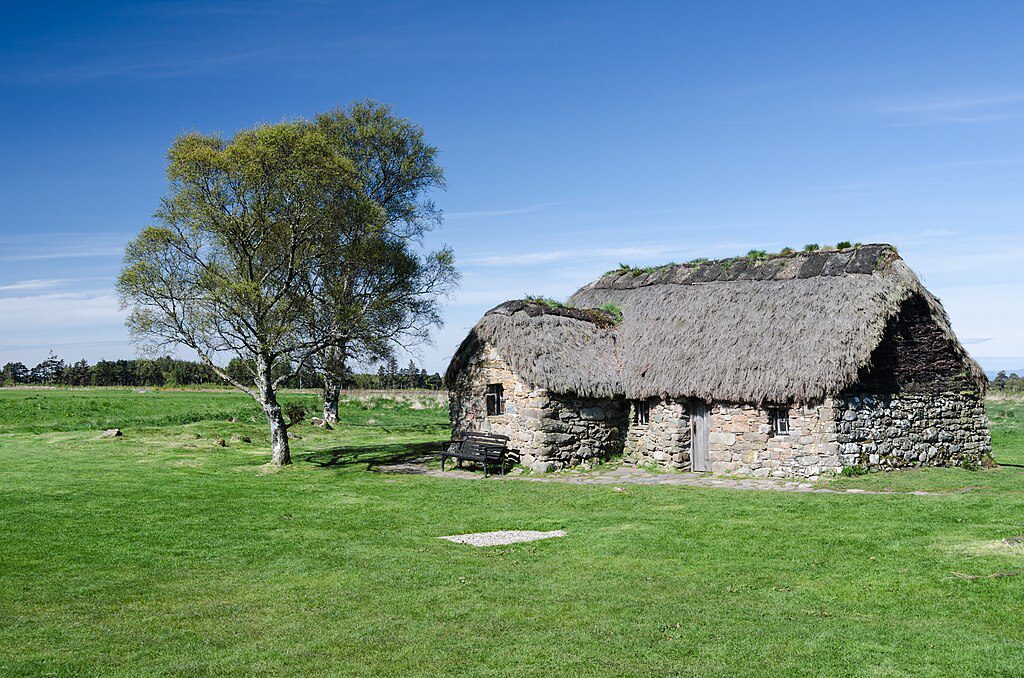
2. Culloden Battlefield: the tragic history of the Highlands
Distance from Inverness: 8 km (15 minutes)
On April 16, 1746, on the moor of Culloden, the last major battle on British soil took place. The Jacobite army of Charles Edward Stuart (Bonnie Prince Charlie) was crushed by British troops in less than an hour. It was a massacre.
This defeat marked the end of the Jacobite rebellions and changed the Highlands forever. Clans were dismantled, the wearing of tartan was banned, and Gaelic culture was suppressed. It’s a pivotal moment in Scottish history.
Visiting Culloden Today
The site is remarkably preserved. You can walk on the battlefield, see the memorial stones of the fallen clans, and feel the weight of history.
The visitor center is excellent: immersive exhibition, battle reenactment, testimonies from both sides. Even if you’re not a history fan, it’s captivating.
What to Expect
- Battlefield: free walking among the clan stones
- Visitor Center: high-quality interactive exhibit
- Immersive Film: plunges you into the battle
- Duration: plan for at least 2 hours to see everything
Our Practical Tips
- Entry: £14 for adults (center + battlefield)
- Audio guide included: very well done, take it
- Dress warmly: the field is windy even in summer
- Emotional moment: be prepared, it’s powerful
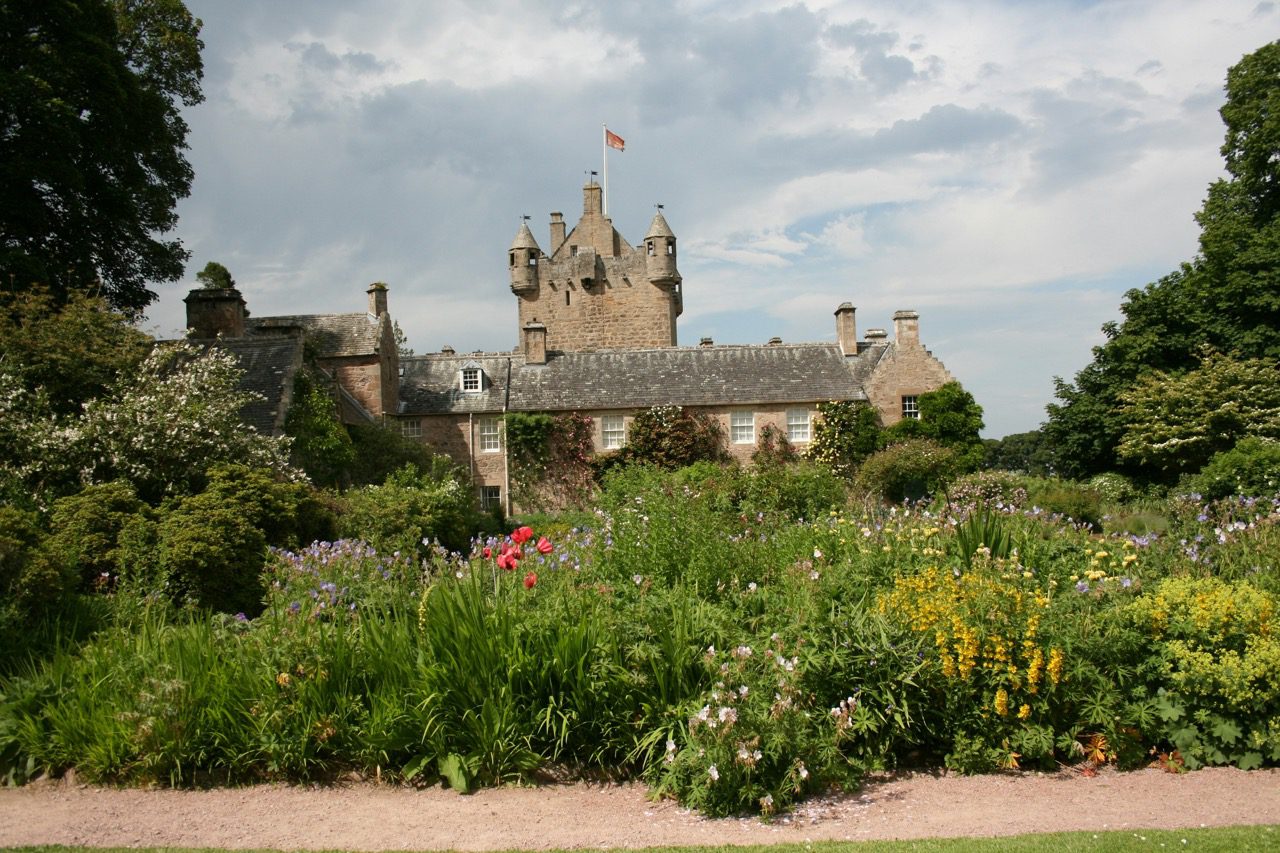
3. Cawdor Castle: the castle of Macbeth
Distance from Inverness: 22 km (25 minutes)
Cawdor Castle is famous for its connection to Shakespeare's Macbeth. According to the play, Macbeth becomes the Thane (lord) of Cawdor before committing his crimes. But be careful: the current castle dates back to the 14th century, well after the historical Macbeth of the 11th century. Shakespeare took some liberties!
That said, it’s one of the most beautiful private castles in Scotland. Still inhabited by the Cawdor family, it mixes medieval architecture, sumptuous interiors, and stunning gardens.
Visiting the castle
The interior is splendid: ancient tapestries, family portraits, period furniture. Each room tells a story. The 14th-century dungeon is particularly impressive.
The gardens are spectacular: walled garden, wild garden, vegetable patch... Perfect for a stroll after visiting the castle.
What not to miss
- The medieval tower: the heart of the castle
- The gardens: three different gardens, all beautiful
- The shop: quality local products
- The café: a nice lunch in the old stables
Our practical tips
- Entry: £13 adult (castle + gardens)
- Open May-September: closed in winter
- Plan for 2-3 hours: for castle + gardens
- Photos allowed: inside the castle
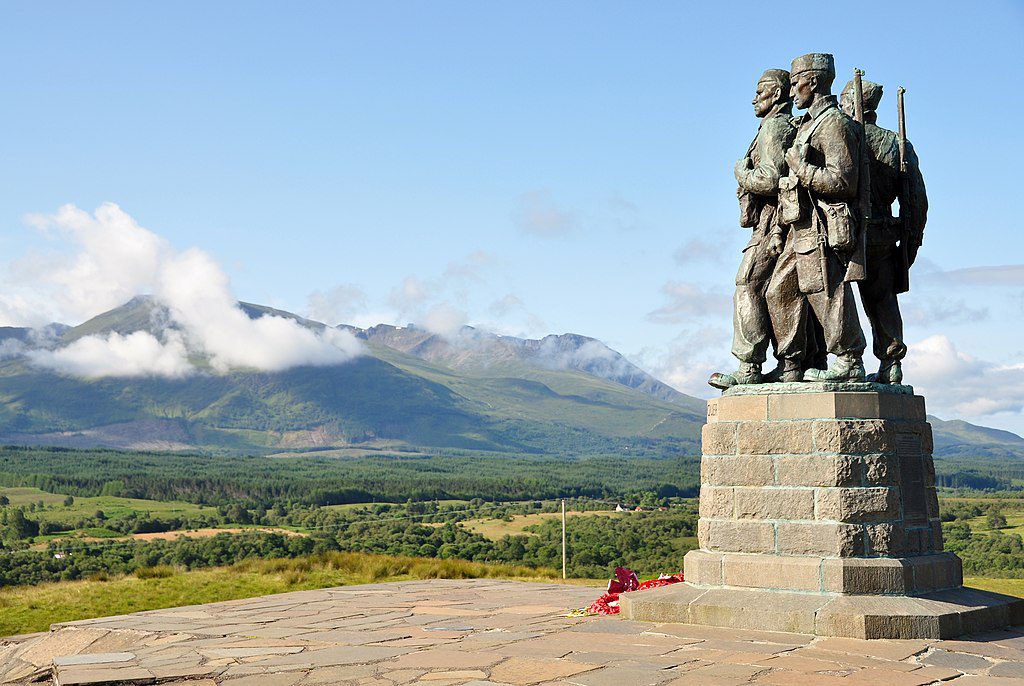
4. Commando Memorial: view of Ben Nevis
Distance from Inverness: 100 km (1h30) – on the road to Glenfinnan
The Commando Memorial is not directly around Inverness, but it’s a noteworthy stop on the way south. This imposing monument pays tribute to the British commandos who trained in the Highlands during World War II.
Three bronze soldiers face the mountains, standing with determination. It’s sober, powerful, and moving.
Why stop
Beyond the monument itself, it’s mainly for the view. On clear days, you get a spectacular panorama of Ben Nevis, the highest mountain in the UK (1345m).
The site also overlooks the Great Glen, the valley that cuts Scotland in two. It’s a typical Highland landscape: mountains, lochs, valleys.
Our practical tips
- Quick stop: 15-20 minutes is enough
- Free parking: right next to the monument
- In good weather: the view of Ben Nevis is incredible
- In bad weather: you won’t see anything with the fog
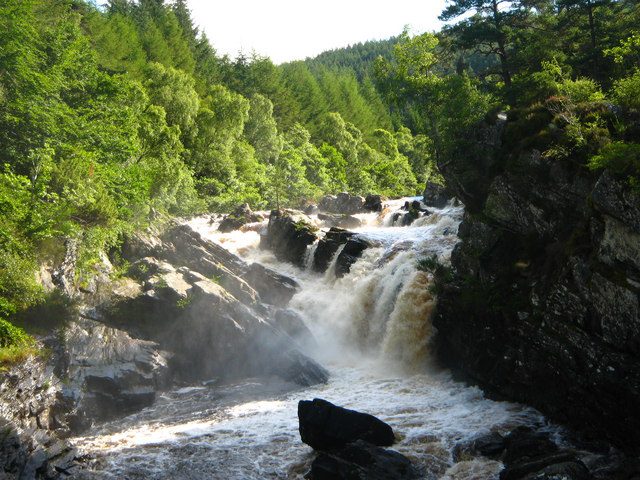
5. Rogie Falls: waterfalls and jumping salmon
Distance from Inverness: 25 km (30 minutes)
The Rogie Falls are a wide and powerful waterfall on the Blackwater River. You can admire it from a spectacular suspension bridge that overlooks the falls.
What makes Rogie Falls special is that at the end of summer and in autumn (August-October), you can see salmon jumping upstream. They leap over the waterfall in successive bounds to reach their spawning grounds upstream. It's impressive to watch.
The Walk
From the parking lot, expect a 10-minute easy walk to reach the main bridge. The trail continues through the forest if you want to walk more.
The suspension bridge sways slightly above the rushing water. Guaranteed vertigo, but a spectacular view!
What You Need to Know
- Free: parking and access are free
- Easy walk: accessible to everyone
- Salmon: August-October to see them jump
- Duration: 30 minutes to 1 hour depending on whether you do the full loop
Our Practical Tips
- After the rain: the falls are more impressive
- Patience: to see the salmon, you need to wait and watch
- Dress appropriately: possible spray near the waterfall
- Combine with Black Water Falls: 15 minutes by car
6. Black Water Falls: hidden and charming cascade
Distance from Inverness: 40 km (45 minutes) – on the NC500 road
The Black Water Falls are a charming little waterfall on the Blackwater River (yes, another one; it's a common name in Scotland!). Smaller and less spectacular than Rogie Falls, it has a different charm: more intimate and hidden.
A wooden bridge crosses the river just above the waterfall, offering a stunning view of the water cascading between the mossy rocks. The surrounding forest creates a peaceful atmosphere.
Why stop here
If you’re driving on the NC500 (North Coast 500, the scenic route around the Highlands), it’s a quick and delightful stop. Perfect for stretching your legs between long drives.
The walk from the parking lot is very short (5 minutes) and easy. Ideal if you're traveling with kids or just don't feel like a hike.
Our practical tips
- Short stop: 15-20 minutes max
- Free parking: small parking area by the road
- Accessible: very easy to reach
- On the NC500: if you're doing this route, don’t miss it
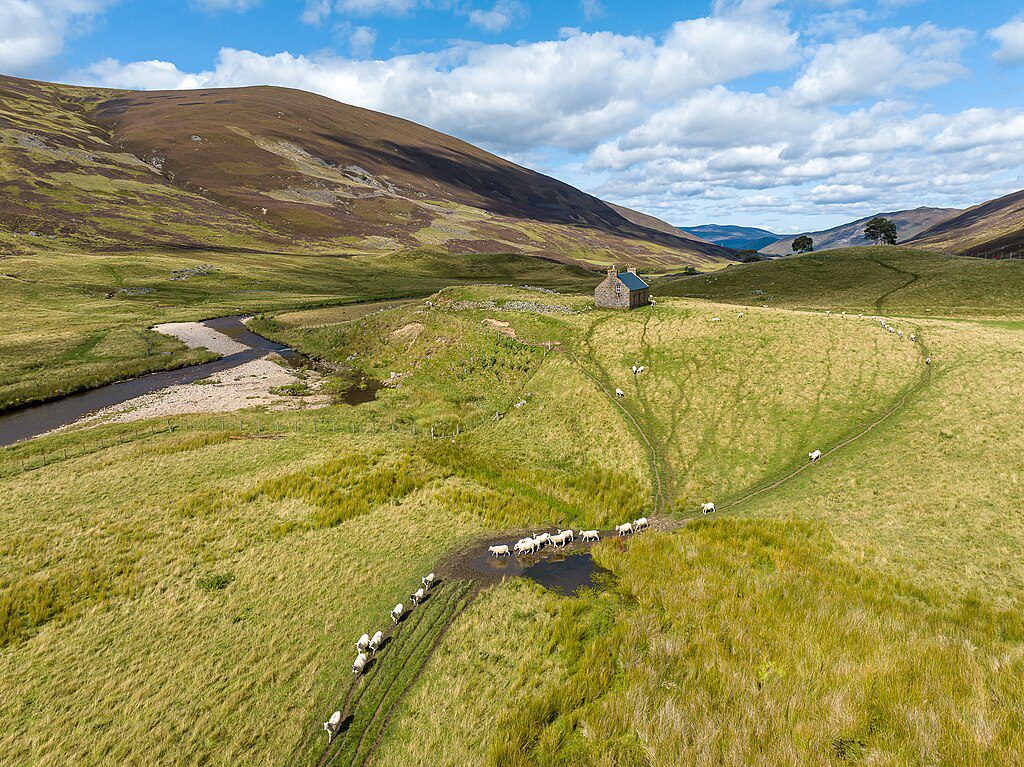
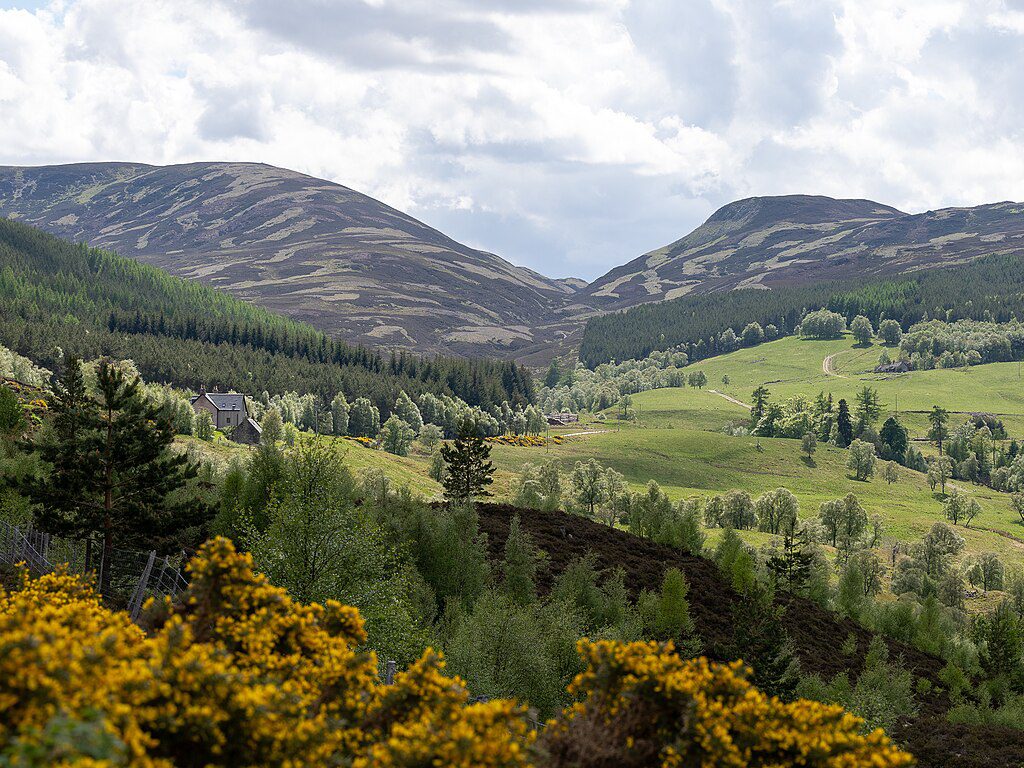
7. Cairngorms National Park: wild nature at your fingertips
Distance from Inverness: 65 km (1h) to the park entrance
Cairngorms National Park is the largest national park in the UK: 4500 km² of wilderness. Mountains, ancient forests, deep lochs, crystal-clear rivers... This is Scotland in its purest form.
From Inverness, you can easily visit the northern part of the park in a day. The road takes you through spectacular landscapes: deep valleys, rounded peaks, and Caledonian pine forests.
What to do in the Cairngorms
- Drive through the park: the road itself is spectacular
- Hiking: dozens of trails for all levels
- Wildlife watching: deer, golden eagles, red squirrels
- Charming villages: Grantown-on-Spey, Tomintoul, Ballater
- Balmoral Castle: summer residence of the royal family (if open)
Villages not to miss
- Grantown-on-Spey: a charming little town by the River Spey, perfect for a coffee break.
- Tomintoul: the highest village in the Highlands (345m), with local shops and traditional pubs.
- Ballater: a royal village near Balmoral Castle, featuring the Royal Lochnagar distillery and lovely shops.
Our practical tips
- Full day: plan for a whole day to traverse the park
- Fill up: gas stations are rare in the park
- Changing weather: dress in layers
- Season: accessible year-round, stunning in autumn
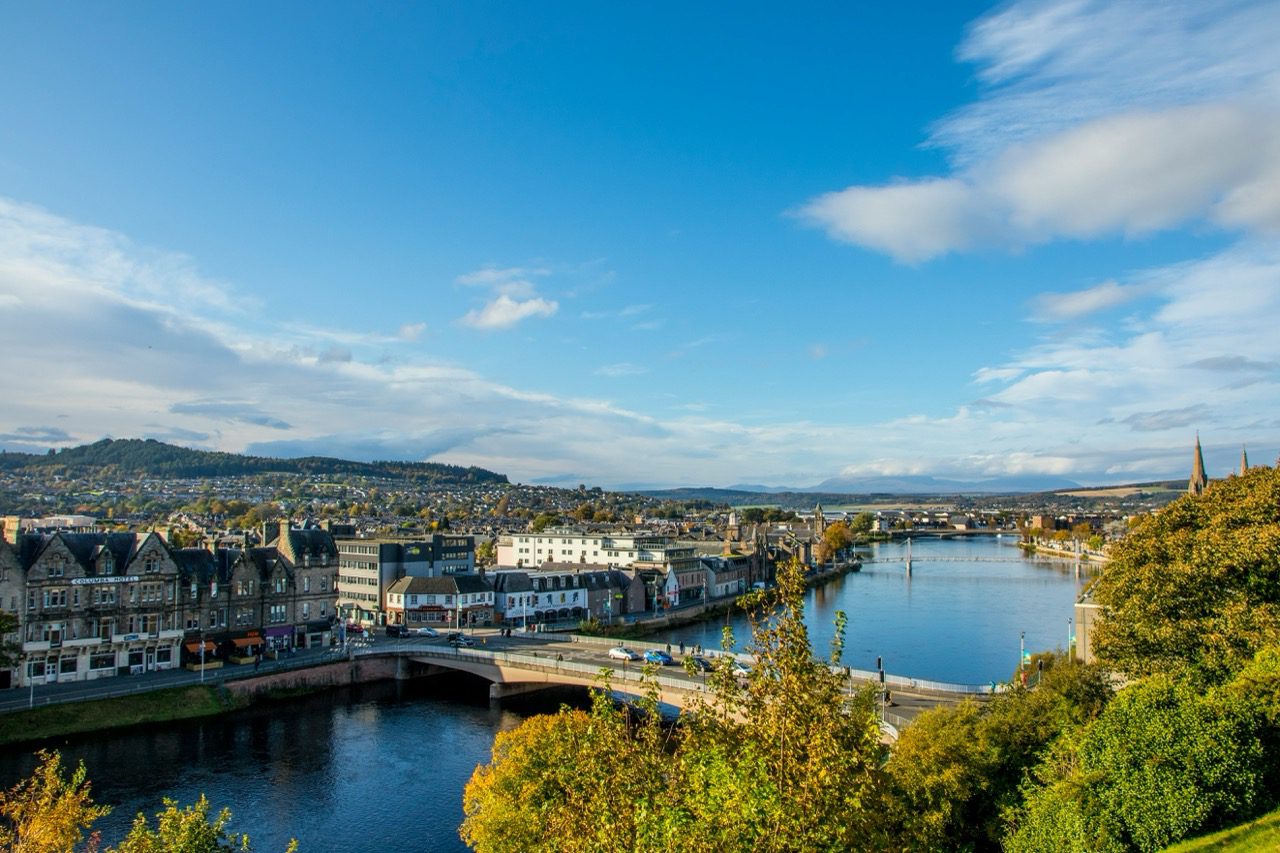
8. Inverness itself: the capital of the Highlands
At the Heart of the City
There's a lot of talk about the surroundings, but Inverness deserves some attention too. This charming city of 47,000 residents is small and very pleasant to explore on foot.
What to See in Inverness
- Inverness Castle: perched on a hill, it offers a lovely view of the city and the River Ness. The current building dates back to the 19th century (the original was destroyed). You can't visit the interior (it's a courthouse), but the view from the esplanade is worth it.
- The River Ness: a pleasant walk along the banks, with several picturesque bridges. On a nice day, it's the perfect spot for a picnic.
- Victorian Market: a covered market with local shops, crafts, and cafes. An authentic atmosphere, not touristy.
- St Andrew's Cathedral: a beautiful neo-Gothic cathedral from the 19th century on the banks of the Ness.
- The Pubs: Inverness has excellent traditional pubs for a whisky or a pint of local beer.
Why Stay in Inverness
Inverness is an excellent base for exploring the Highlands without changing accommodation every night. Settle in for 2-3 nights and radiate outwards: Loch Ness one day, Culloden and Cawdor another, the Cairngorms on the third.
The city has all the services: supermarkets, restaurants, pubs, and shops. After days on the roads of the Highlands, it's nice to find a bit of civilization.
Our Practical Tips
- 2-3 nights: the ideal duration to explore the area
- Everything on foot: the city center is easily walkable
- Supermarkets: Tesco and Sainsbury's in town for your shopping
- Atmosphere: an authentic city, not sanitized for tourists
Inverness: the perfect gateway to the Highlands
Inverness is not the most spectacular destination in Scotland. It’s not Edinburgh with its majestic castle, nor the Isle of Skye with its fairy-tale landscapes.
But it’s the perfect base. In 30 minutes, you can be at Loch Ness. In 15 minutes, you can be at a historic battlefield. In 1 hour, you can be in the largest national park in the UK.
These 8 experiences around Inverness give you a complete insight into the Highlands: tragic history, medieval castles, wild nature, spectacular waterfalls, and mysterious legends.
With 2-3 days based in Inverness, you can check off all these sites without stress, without rushing, really enjoying each place.
So, ready to explore the Highlands from Inverness?