The team's tips:
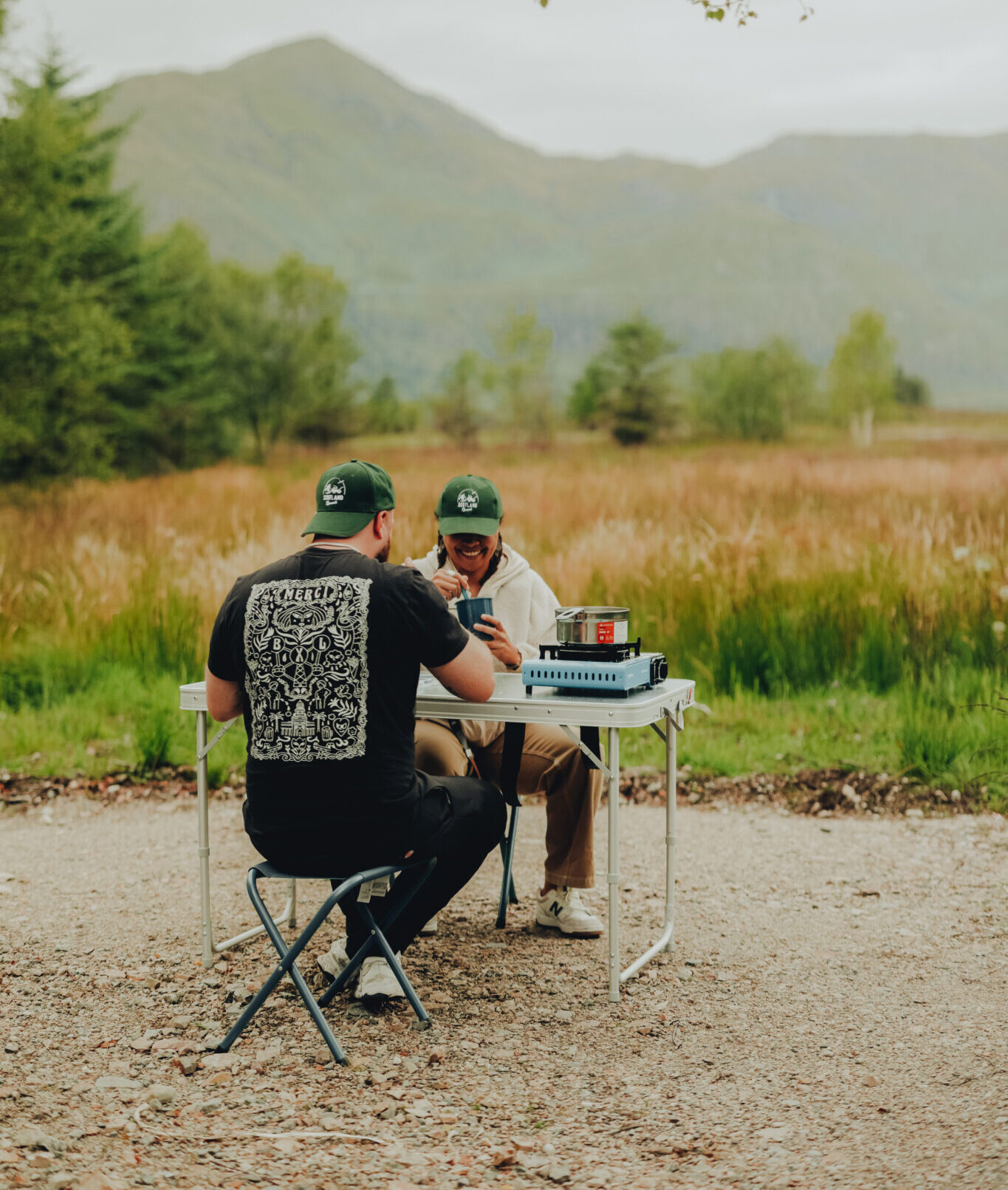
- Cook for yourself: Eating out in Scotland can get pretty expensive. By preparing your own meals, you can cut your food budget in half or even a third — and having a picnic by a loch is hard to beat.
- Take advantage of legal wild camping: Scotland is one of the few countries in Europe where wild camping is legally allowed (Land Reform Act). It’s a huge saving on accommodation if you step away from official campsites.
- Plan your UK ETA in advance: The Electronic Travel Authorisation is mandatory for entering the UK. It costs £16 (~€19) per person and can be applied for online — do this as soon as you book.
- Fill up in town: Gas is more expensive in rural areas of the Highlands. Fill up in Edinburgh, Inverness, or Fort William before heading into the wild.
- Travel between May and September: This is our favorite season — the days are long, the roads are accessible, and the Highlands are at their best.
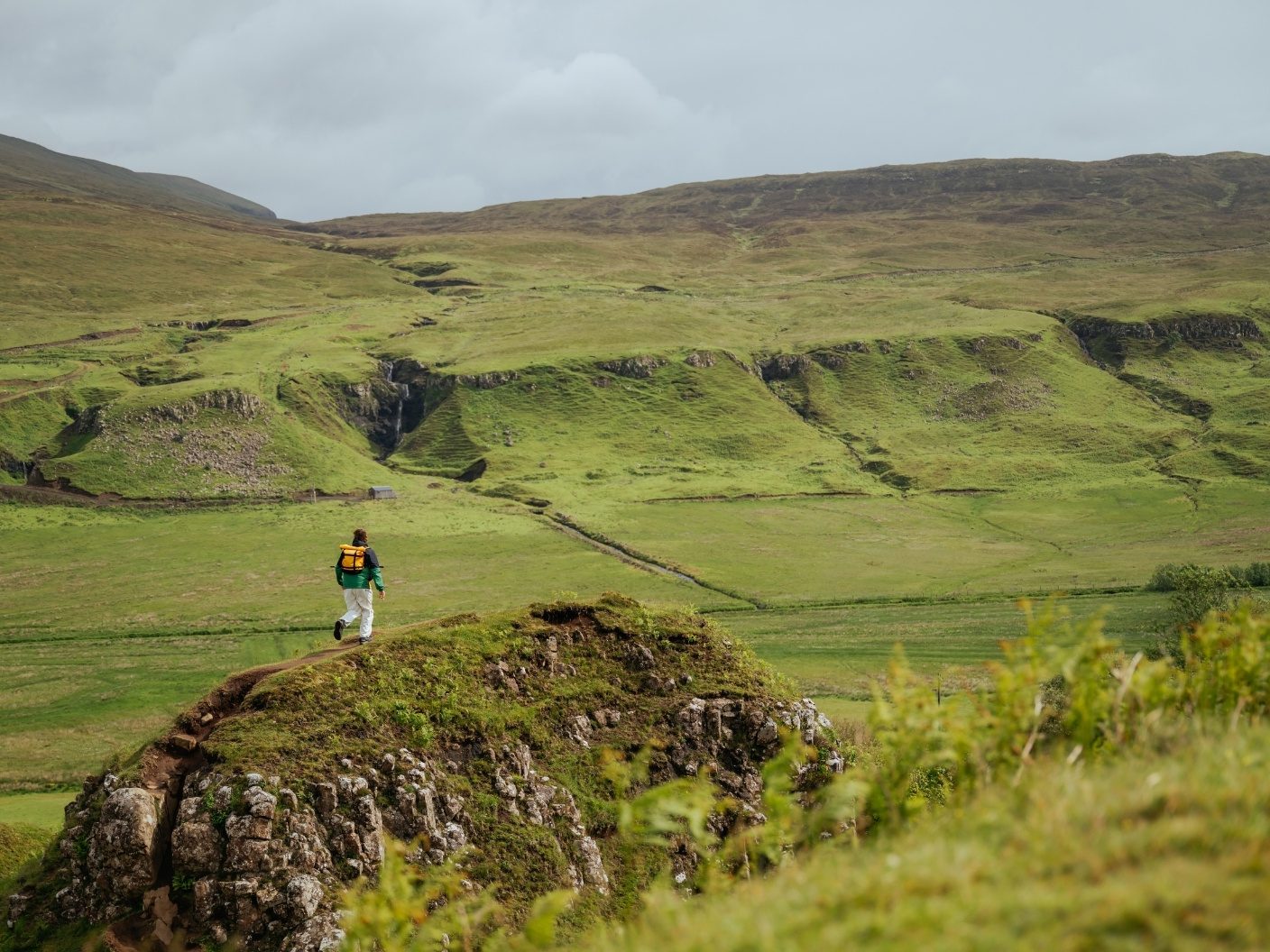
Budget-Friendly Holiday in Scotland : how much does a 7-day road trip in the Highlands cost?
Scotland doesn’t have the reputation of being as expensive as Scandinavia, and that’s true. But it is still pricier than Southern Europe, and some costs might catch you off guard if you’re not prepared. The good news: with the right travel format, the Highlands are totally accessible.
We’ll break down the actual budget for a 7-day road trip through Scotland, from Loch Lomond to the Isle of Skye, including the Cairngorms: fuel, campsites, groceries, activities, with concrete price ranges and our best tips to enjoy fully without blowing your budget.
Understanding the cost of living in Scotland
Scotland is part of the United Kingdom, which means prices are in pounds sterling (£). With an exchange rate around 1.15-1.20 € for 1 £, it makes a bit of a difference. Edinburgh is the most expensive city — hotels, restaurants, and bars here are significantly pricier than in the countryside. In the Highlands, touristy spots like Portree on the Isle of Skye also have their own rates.
The Scottish nature, however, is completely free. And unlike many European countries, wild camping is legal in Scotland thanks to the Land Reform Act of 2003. This is one of the great perks of a road trip with a rooftop tent: you can park your vehicle by a loch or at the foot of a mountain without spending a penny.
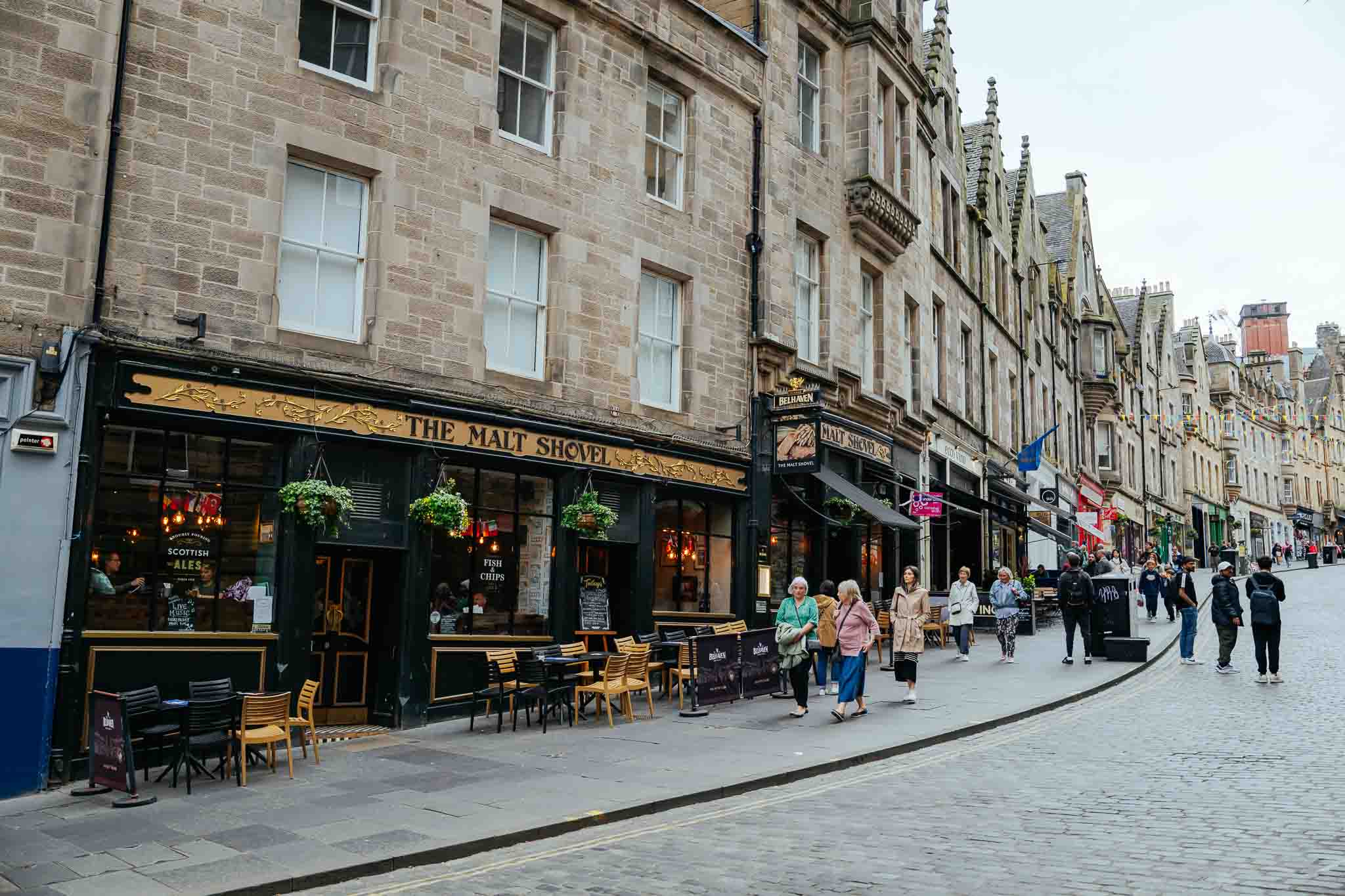
The transport budget: vehicle and fuel
Vehicle Rental
For a road trip in Scotland, here are your options:
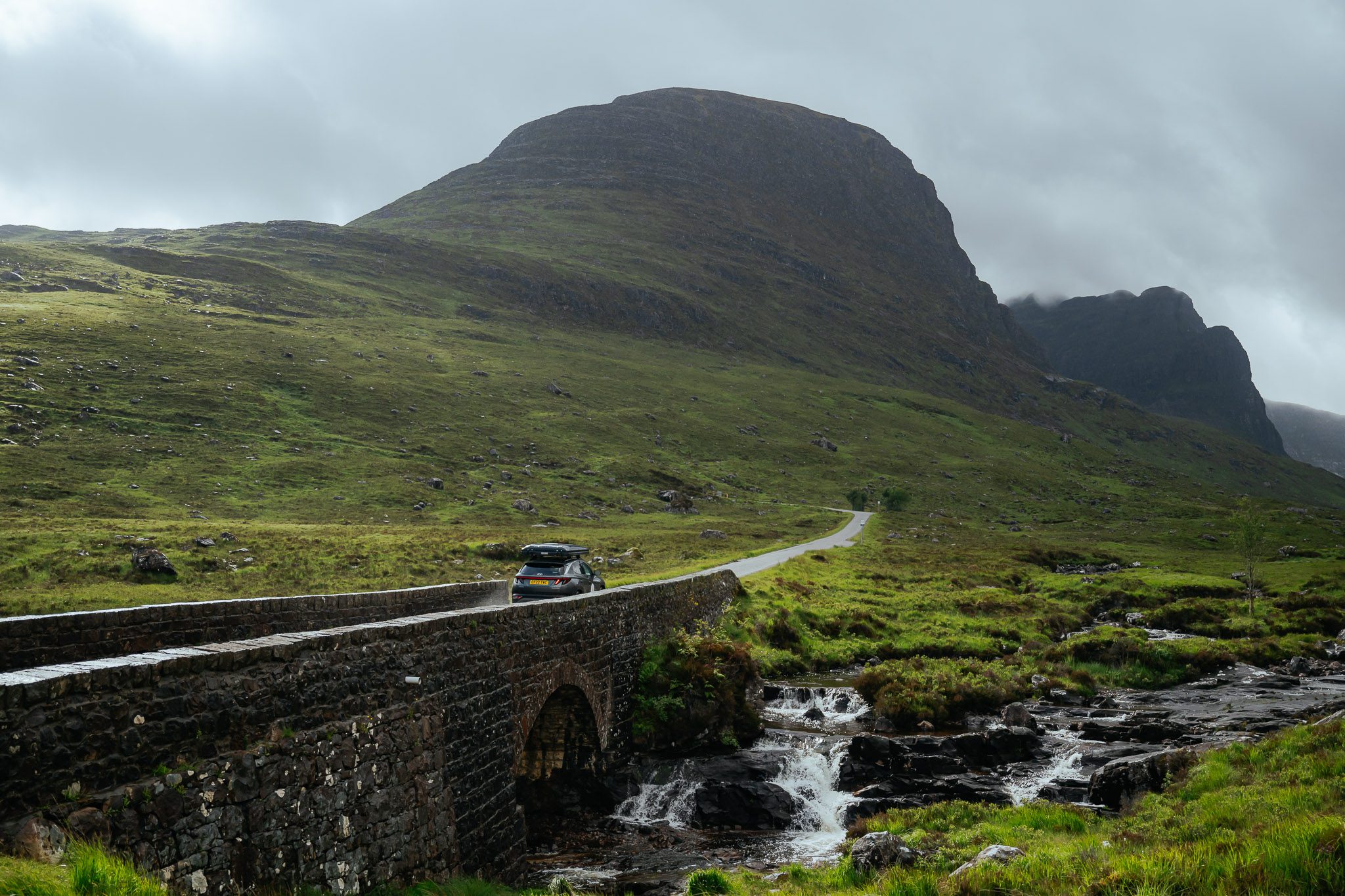
- SUV with rooftop tent: €700–1,000 per week depending on the season. This is the ideal option for the Highlands—comfortable driving on narrow roads, integrated accommodation, total freedom.
- Camper van: €900–1,300 per week. More spacious inside, but the single-track roads in the Highlands are trickier to navigate.
- Classic car + accommodations: €350–500 for rental, but expect to spend €700–1,200 on hotels and B&Bs. In the end, it's more expensive and much less flexible.
Insurance
Basic insurance is generally included. Expect to pay an additional €150–260 for comprehensive coverage. On the single-track roads of the Highlands with their passing places, it’s really worth it to reduce the excess.
Fuel
Petrol costs around £1.45–1.60 per liter (€1.65–1.85). Your 7-day road trip will cover about 1,300–1,500 km.
- SUV: about 100–130L, or €165–240 (£145–210)
- Van: about 130–160L, or €215–295 (£185–255)
Budget tip: supermarkets (Tesco, Asda, Sainsbury's) offer the lowest prices. Isolated stations in the Highlands can be 10–15% more expensive.
➡️ Total transport budget: €900–1,500 depending on your vehicle.
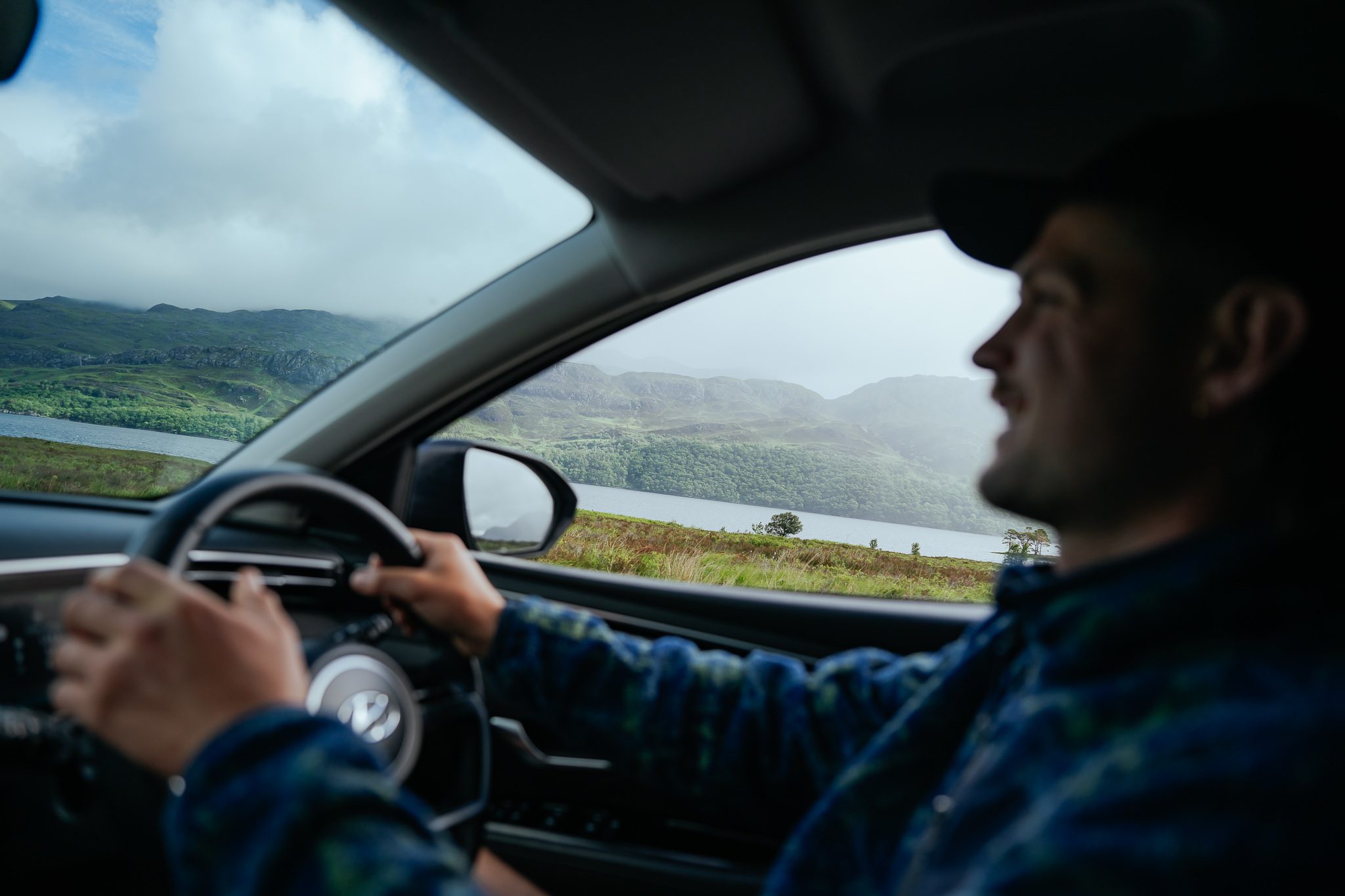
The accommodation budget: camping and wild nights
The official campsites
Scotland has an excellent network of campsites, often very well located. Expect to pay £20–35 (€23–40) per pitch for two people with a vehicle. You'll have access to hot showers, toilets, and often a communal kitchen. Budget for 7 nights: €160–280.
Wild camping
This is the great advantage of Scotland. Thanks to the Land Reform Act, you can camp freely across almost the entire territory, including in national parks. Some rules to follow: don’t stay more than 2-3 nights in the same spot, keep the area clean, and stay a reasonable distance from private homes.
In practice, alternating between official campsites and wild spots is the ideal strategy: 3-4 nights in a campsite for showers and recharging, and 3-4 nights in nature for the experience. You save €80–150 while experiencing authentic Scotland.
➡️ Accommodation budget: €0–280 depending on your mix of campsite/wild camping (included in the Scotland Nomads package).
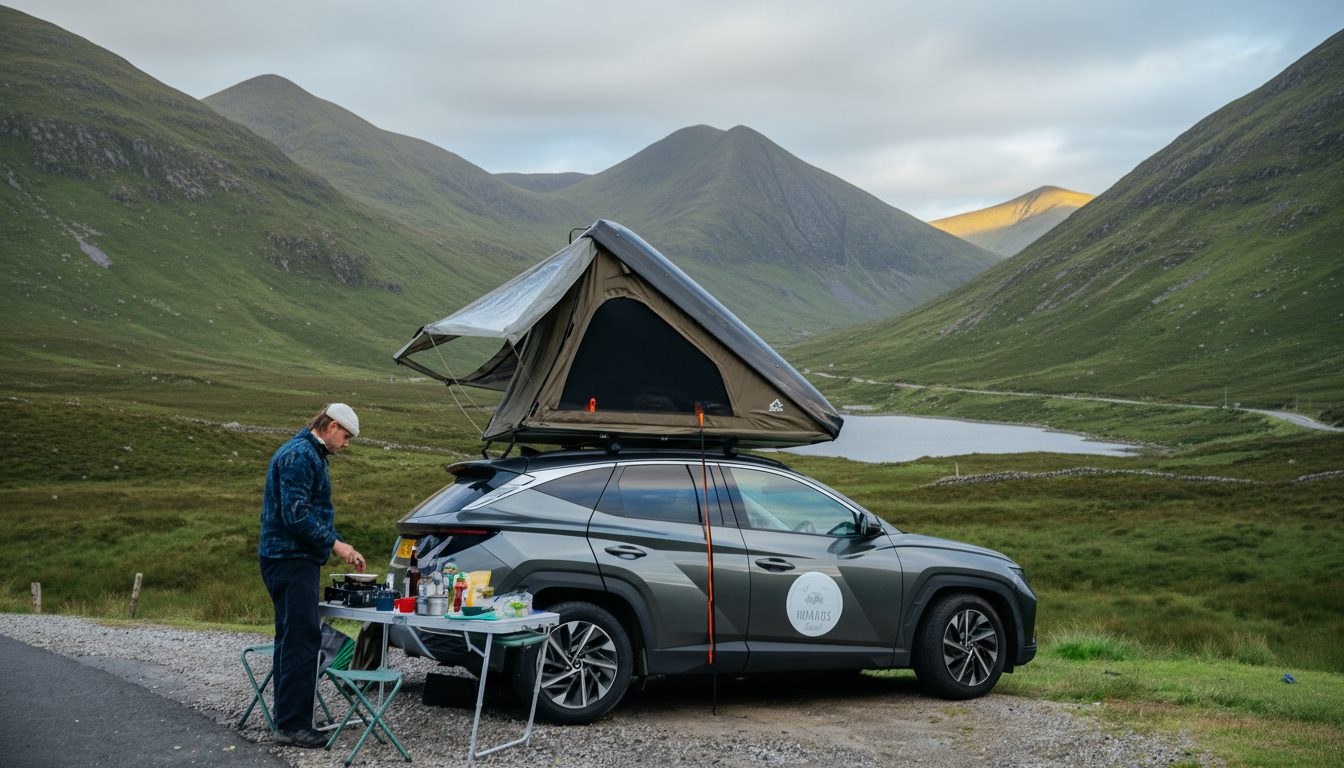
The food budget: groceries and restaurants
Eating at Restaurants
Scotland can surprise you when it comes to restaurants, especially in tourist areas:
- Fish and chips in a café: £10–15 (€11–17)
- Dish in a pub: £14–22 (€16–25)
- Decent restaurant: £20–35 (€23–40)
- Pint of beer: £4–6 (€4.5–7)
For 7 days eating at restaurants two times a day, expect to spend around €400–600 per person. It adds up quickly.
Grocery Shopping
The solution to manage your budget. The most accessible chains:
- Lidl / Aldi: the cheapest, found in major cities
- Tesco: widely available, good value for money
- Asda / Sainsbury's: similar to Tesco
- Co-op: more expensive but often the only option in small villages
Avoid small grocery stores in tourist villages like Portree — prices there are significantly higher.
Budget groceries for 2 people, 7 days:
- Breakfast (porridge, bread, jam, coffee): £6–9/day (€7–10)
- Lunch (sandwiches, wraps, snacks): £8–12/day (€9–14)
- Dinner (pasta, rice, veggies, meat): £12–18/day (€14–21)
Total: £185–275 (€210–315) for two people, which is £120–180 (€140–210) per person.
Our grocery tips:
- Stock up in Edinburgh before you head out — that's where you'll find the best selection at the best prices.
- Tap water is excellent everywhere in Scotland, so bring a water bottle.
- And take the opportunity to try local products: Scottish cheddar, smoked salmon, and shortbreads are delicious and not too pricey in the supermarket.
The smart compromise: cook breakfast and dinner, and have sandwiches for lunch. Treat yourself to a pub dinner along the way — it's a chance to taste real haggis and soak in the local vibe.
➡️ Food budget: €200–600 depending on your choices.
The activity budget: free vs paid
Free Activities (and they are amazing)
The best Scottish experiences are free:
- The Isle of Skye: Old Man of Storr, Quiraing, Fairy Pools — lunar landscapes accessible by foot from the parking lot
- The Highlands: Glencoe and its dramatic valley, Ben Nevis, endless moors
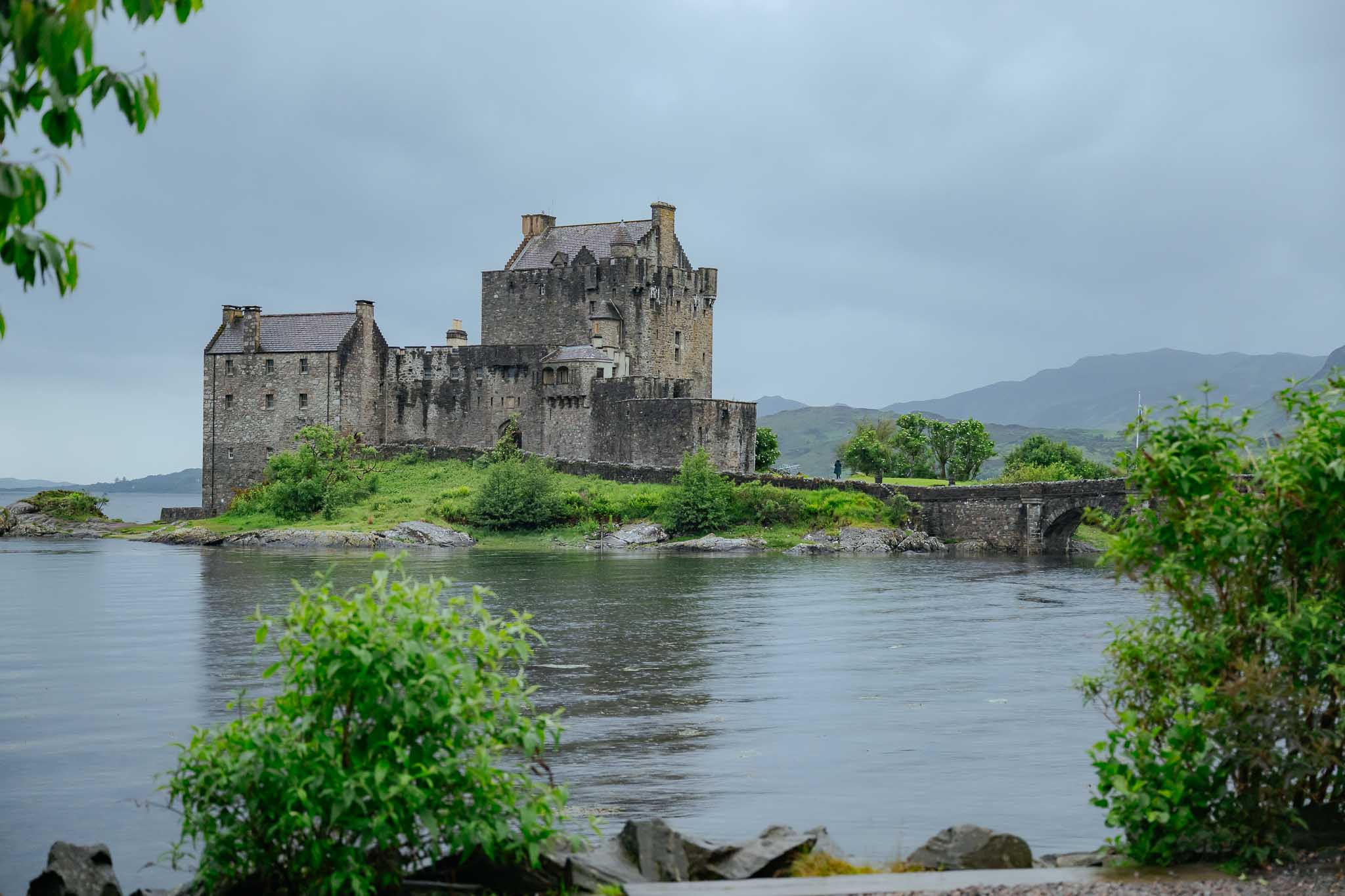
- The Castles: Eilean Donan, Urquhart on Loch Ness — some are free, others charge £8–12 for entry
- The Glenfinnan Viaduct: the Harry Potter viaduct, accessible for free from the visitor center
- The Lochs: strolling along Loch Ness, Loch Lomond, Loch Carron — it's free and unforgettable
- The Hikes: hundreds of marked trails, all free
Paid Activities with Scotland Nomads
If you want to go further, here are the activities we offer on the itinerary:
- Kayaking on Loch Lomond: €39 per person — an hour on the peaceful waters of the loch, accompanied by local guides. A unique way to explore the national park.
- Boat Expedition on Loch Carron: €25 per person — seal, otter, and seabird watching from the boat, with views of the Scottish mountains.
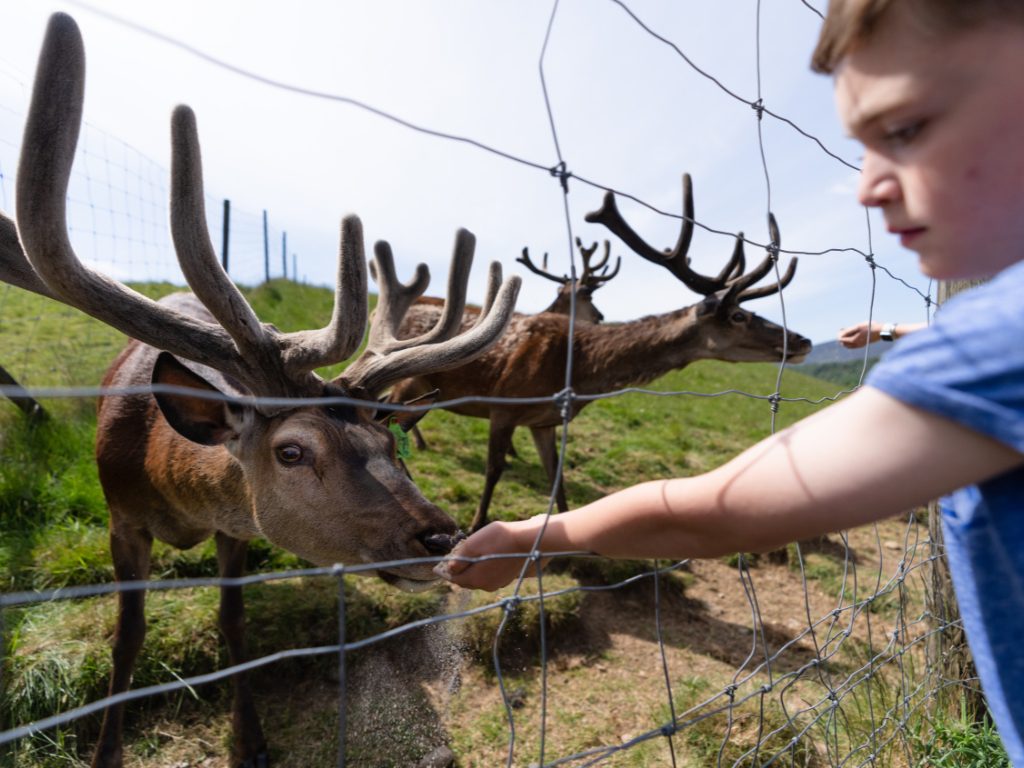
- Feeding Red Deer: €30 per person — get close to and feed a herd of deer in the Cairngorms, a rare experience.
- Meet the Hairy Coos: €30 per person — see the famous Highland cows up close for memorable photos.
- Axe Throwing: €39 per person — the Highland Games activity, supervised by experts. Addictive.
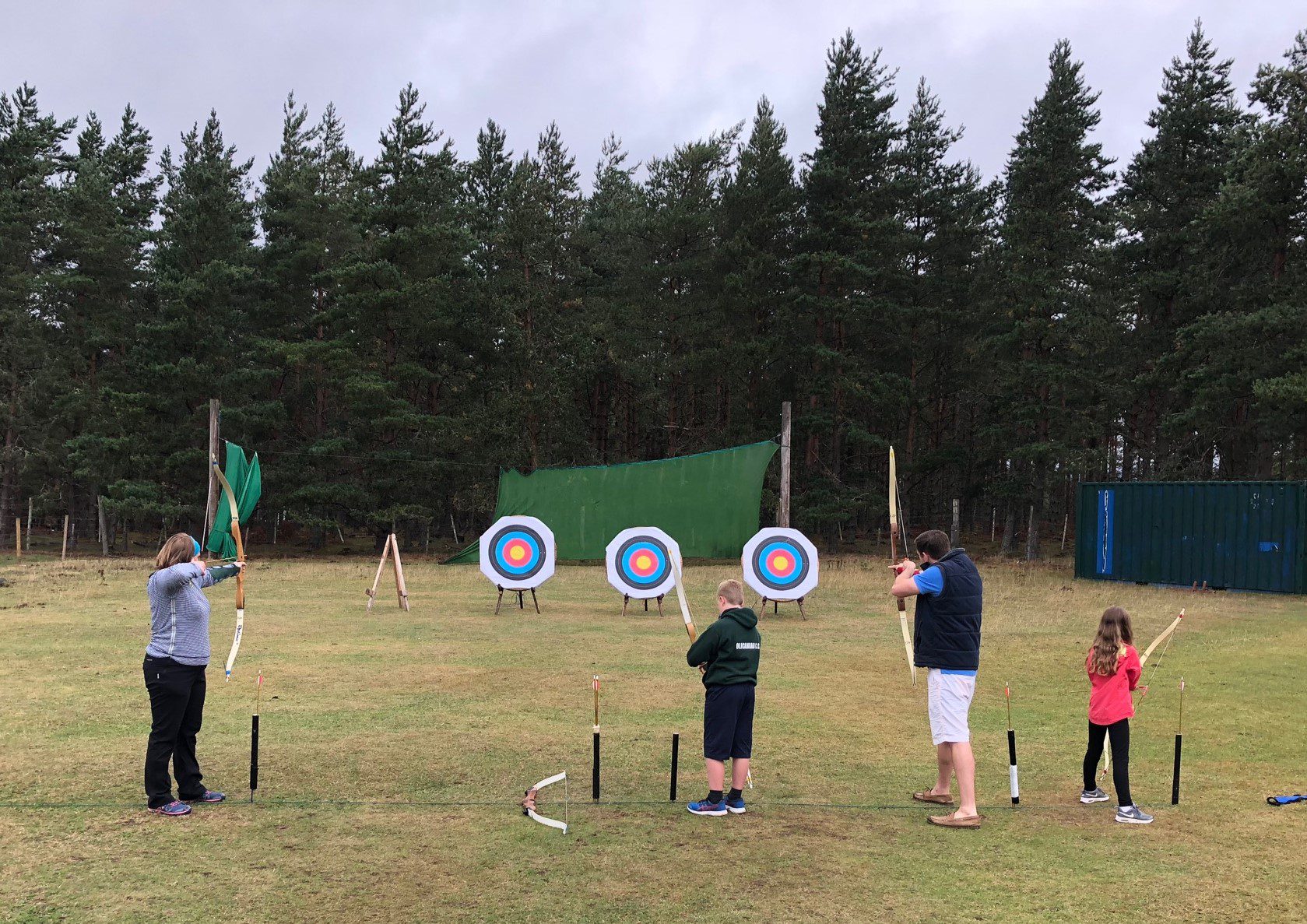
- Archery: €55 per person — in a spectacular setting between the Cairngorms and the Craigellachie nature reserve.
Our Advice: choose 2–3 activities from these. Kayaking and the seal expedition are particularly popular — book in advance, as spots are limited.
➡️ Activity Budget: €0–200 depending on your preferences.
The budget for extras and unforeseen expenses
Tolls
Very few tolls in Scotland. The Skye Bridge, which connects the Isle of Skye to the mainland, has been free since 2004. Budget: almost nothing.
Parking
Parking at popular tourist sites is often paid: £3–8 (€3.5–9) per day. Old Man of Storr, Quiraing, Fairy Pools… Budget: £30–60 (€35–70) for the week.
Site Entry Fees
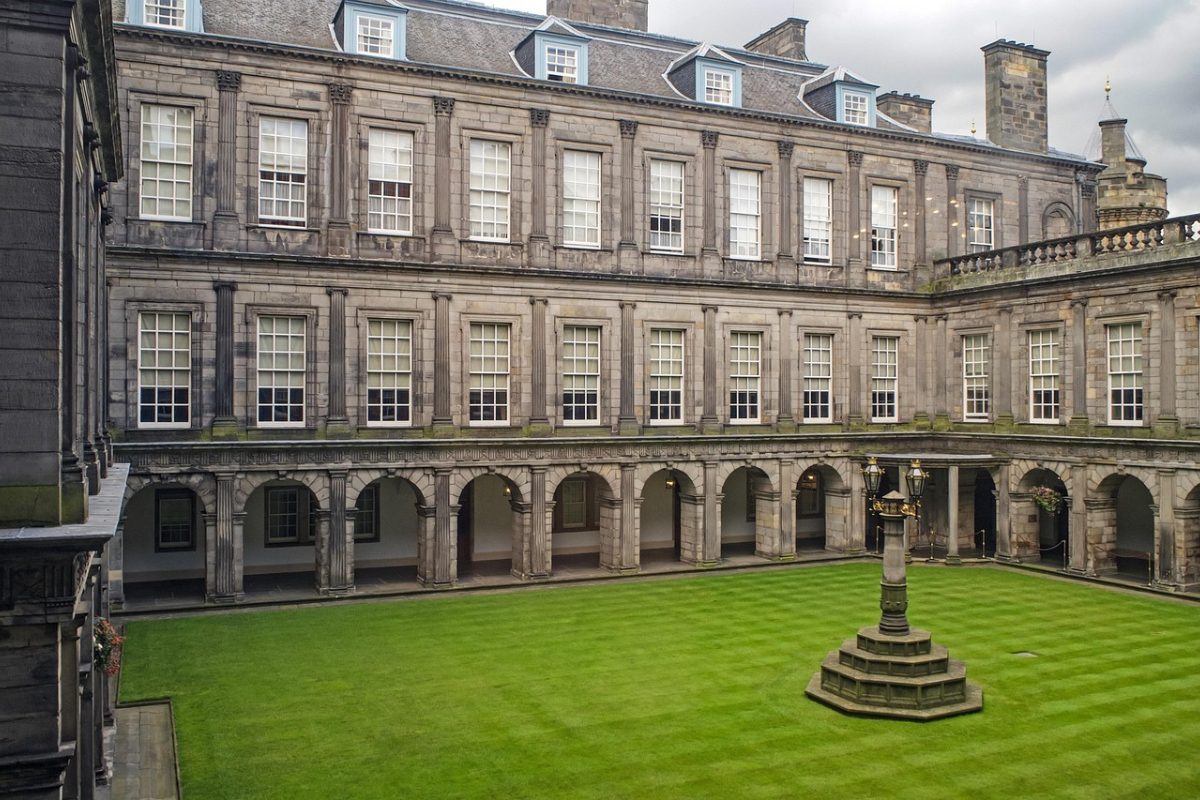
Some castles and historical sites charge admission. Urquhart Castle: £12. Stirling Castle: £18. If you plan on visiting several sites, the Historic Environment Scotland annual pass might save you money. Entry budget: £0–60 (€0–70) depending on your visits.
The UK ETA
The Electronic Travel Authorization is required to enter the UK. It costs £16 (~€19) per person, can be applied for online, and may take a few days to process. Make sure to do this as soon as you book.
Safety Margin
Keep €100–200 as a buffer for unexpected expenses: an extra tank of gas, a tempting pub, a tweed souvenir, or some whisky...
➡️ Extra Budget: €150–350.
Budget total: the three scenarios
Scenario "Budget Adventurer"
You optimize without sacrificing experience:
- Transport (SUV + fuel + insurance): €1,050
- Accommodation (mix of camping/wild): €80
- Food (groceries + 1 pub dinner): €270
- Activities (2 activities): €128
- Extras (parking, ETA, entries): €100
➡️ Total for 2 people: €1,628, or €814/person
Scenario "Balanced Comfort" (recommended)
The right balance of comfort/budget:
- Transport (SUV + fuel + full insurance): €1,250
- Accommodation (mix of camping/wild, more nights in camping): €150
- Food (groceries + 2–3 restaurants): €380
- Activities (3–4 Scotland Nomads activities): €230
- Extras: €180
➡️ Total for 2 people: €2,190, or €1,095/person
Scenario "Maximum Comfort"
You don't want to miss out:
- Transport (van + fuel + full insurance): €1,700
- Accommodation (official campgrounds every night): €280
- Food (groceries + regular restaurants): €600
- Activities (all activities): €386
- Extras: €280
➡️ Total for 2 people: €3,246, or €1,623/person
Our best tips for saving money
About transportation: The single-track roads of the Highlands impose a slow pace — take advantage of this to save on fuel. Drive cool, you'll see more things anyway.
About accommodation: Legal wild camping is one of the true gifts of Scotland. Enjoy it — a night facing Loch Ness or at the foot of Ben Nevis can't be found in a hotel.
About food: Stock up in Edinburgh. In the Highlands, supermarkets are scarce and local small shops charge tourist prices. The Scotland Nomads food pack is also a great option if you want to keep things simple.
About activities: The best Scottish experiences are free. Skye, Glencoe, the lochs… All of that costs nothing. Reserve your activity budget for 2–3 truly memorable experiences.
Good timing: May-June is Scotland before the crowds. Campsites are less crowded, parking is quieter, and the evening light over the Highlands is extraordinary.
The all-inclusive package: how much does it really cost?
With Scotland Nomads, you have a fully organized package starting from €795 per person (based on 2 people).
What's included:
- Fully equipped SUV with rooftop tent
- 7 nights in unique campgrounds, reserved in advance
- Detailed itinerary with explanations and tips
- Mobile app with an interactive map
- Complete sleeping gear (mattress, sleeping bags, pillows)
- Complete cooking gear (stove, pan, pot, plates, cups)
- Camping table and stools
- Support before and during the trip
What you need to arrange:
- Flights to Edinburgh (€80–250 depending on the season and your departure city)
- Fuel (€165–295)
- Food (€120–300 if you cook)
- ETA UK (~€19/person)
- Optional activities if you want
- Extras (parking, entrance fees, souvenirs)
The advantage? Your campgrounds are already booked — in July-August, that’s a big deal. No logistical stress, just 7 days of Highlands ahead of you.
Is Scotland really expensive?
Less than Norway or Iceland, but more than Portugal. With the right setup — rooftop tent, grocery shopping, wild camping — you can explore the Highlands for €800–1,100 per person per week, including flights.
That’s a very reasonable budget for landscapes that rival Scandinavian destinations. The Isle of Skye, Glencoe, Loch Ness, the Cairngorms… Scotland is one of the most beautiful destinations in Europe, and it remains accessible.
So, ready to hit the road to the Highlands?